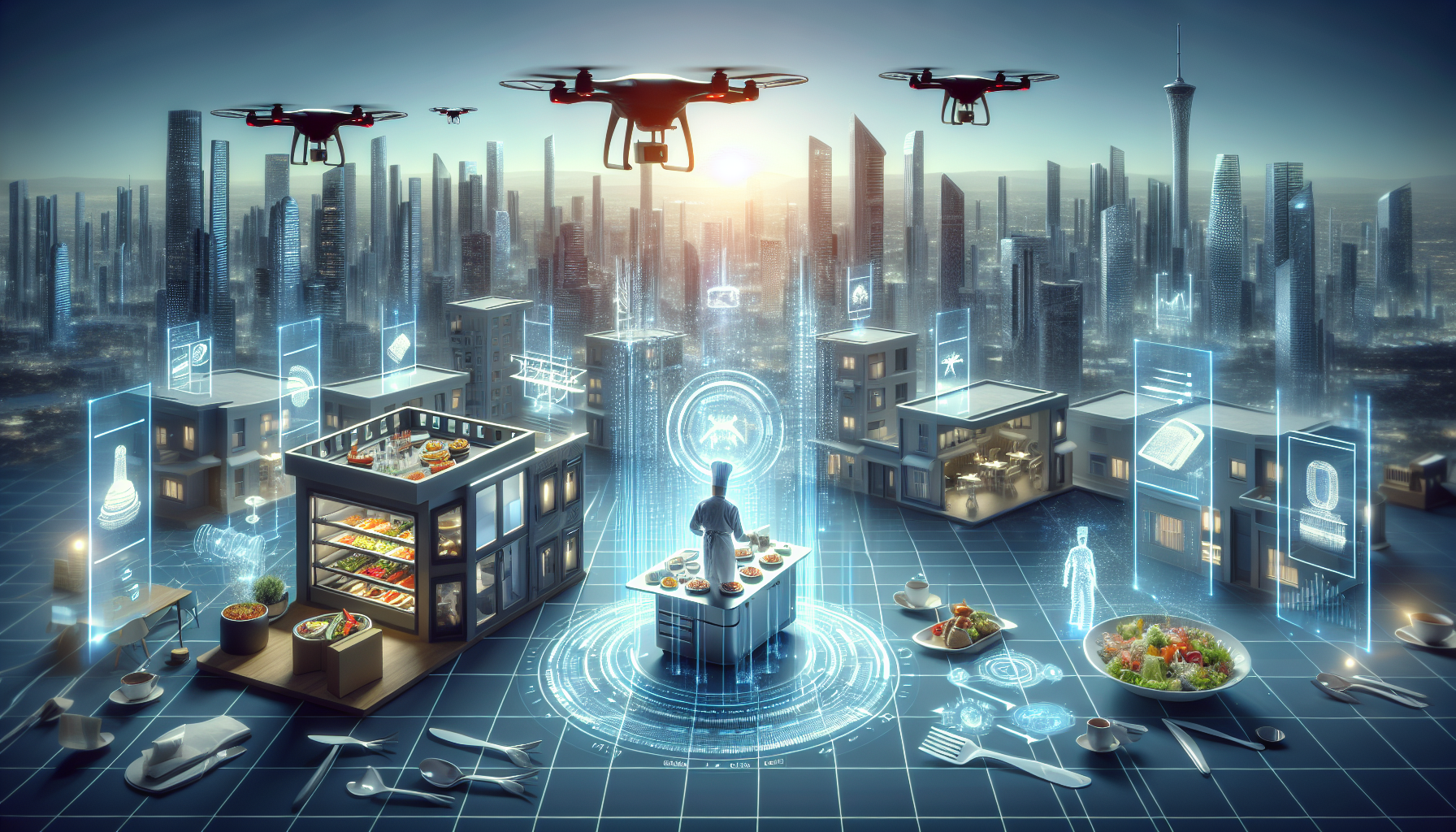
The Future of Food Delivery: How Technology is Transforming Dining
The Rise of Online Food Delivery
Over the past decade, food delivery has evolved into a multi-billion-dollar industry, and this growth shows no signs of slowing down. The advancement of technology has been the driving force behind this transformation, enabling consumers to access a wide variety of meal options with just a few clicks. Platforms such as Uber Eats, DoorDash, and Grubhub have become household names, fundamentally changing how we experience dining. With increasing consumer demand for convenience and variety, the online food delivery market is projected to reach $200 billion by 2025.
Food Delivery Apps: User Experience and Design
One of the most significant factors in the success of food delivery services is user experience (UX). Food delivery apps today are designed to optimize the customer journey, ensuring that users can easily navigate through options, place orders, and track deliveries in real time. Features like user-friendly interfaces, personalized recommendations based on previous orders, and integration of dietary preferences (gluten-free, vegan, etc.) enhance the overall user satisfaction.
Design-wise, these apps often make use of vibrant visuals of food, intuitive sorting options, and seamless payment systems. The integration of features like chatbots for customer service further enriches the user experience by offering instant responses to queries.
Artificial Intelligence and Personalization
Artificial Intelligence (AI) is at the forefront of tech transformations in food delivery. Algorithms analyze user data to provide personalized meal suggestions, promoting items that align with the customer’s taste profiles and purchasing patterns. Beyond suggestions, AI is capable of predicting peak ordering times, which allows restaurants and delivery services to allocate resources more effectively, minimizing wait times and ensuring a more efficient delivery service.
advertisement

Predictive Analytics: Redefining Supply Chain Management
Predictive analytics plays a crucial role in the future of food delivery. Using historical data, machine learning algorithms forecast demand for specific menu items, helping restaurants to preemptively prepare ingredients and manage inventory. This not only minimizes waste but also ensures that the most popular items are readily available during peak times. By aligning production with demand, businesses can increase profits and maintain customer satisfaction by consistently delivering fresh meals.
Augmented Reality: A New Dining Experience
Augmented reality (AR) technology is beginning to influence food delivery by providing an immersive experience for customers. AR can enable customers to visualize how their chosen dishes will look before ordering, enhancing their connection to the food. Imagine pointing your phone at a plate to see how the dish is prepared or reviewing user-generated content on a virtual interface. These experiences allow consumers to make informed choices and significantly enhance their purchasing experience.
Robotics and Automation: Rethinking Operations
As labor shortages continue to affect the food service industry, automation is gaining traction. Robots are being developed for kitchen tasks, such as food preparation and packing, thereby streamlining operations. For instance, the startup Miso Robotics has created kitchen assistants that can cook specific items, while others focus on ensuring food quality and reducing culinary errors.
Delivery robots are also on the rise. Companies like Starship Technologies have introduced small, autonomous robots that navigate sidewalks and streets to deliver meals autonomously. This not only reduces delivery times but also lowers delivery costs, which can be passed on to consumers in the form of lower fees.
Drone Delivery: The Future of Speed and Efficiency
Drone technology has the potential to revolutionize the food delivery landscape. Companies such as Wing (a subsidiary of Alphabet) and Amazon are testing drone deliveries, paving the way for faster and more efficient meal delivery. Drones can circumvent traffic and cover specific distances quickly, significantly reducing delivery times in suburban and rural areas.
While regulations regarding drone deliveries are still being established, the increasing investments in this technology indicate that it could soon become a mainstream method for food delivery. Drones promise to not only speed up deliveries but also minimize the carbon footprint associated with traditional delivery methods.
Ghost Kitchens: A Paradigm Shift in Restaurant Operations
Ghost kitchens, or virtual kitchens, are a rapidly growing phenomenon in the food delivery sector. These facilities operate without a physical storefront and focus solely on fulfilling delivery orders. This model allows entrepreneurs to optimize costs by eliminating expenses such as rent and front-of-house staffing. Several major chains are embracing ghost kitchens to expand their reach in metropolitan areas where the demand for food delivery is substantial.
Additionally, these kitchens can serve multiple restaurant brands from a single location, thereby maximizing efficiency. Startups such as CloudKitchens and Kitchen United are pioneering this trend, enabling brands to test new markets with minimal risk and investment.
Sustainability Initiatives: A Growing Consumer Concern
As food delivery continues to grow, so too does the need for sustainable practices. Consumers are increasingly concerned about the environmental impact of their food choices and delivery processes. Technology can significantly enhance sustainability in food delivery.
Eco-friendly packaging solutions are emerging, with materials that are biodegradable or recyclable. Many food delivery services are now focusing on reducing food waste through partnerships with organizations that redistribute surplus food, thereby promoting a circular economy.
Blockchain Technology: Ensuring Food Safety
Blockchain technology is finding its way into the food delivery process, providing a transparent and traceable method for tracking ingredients from farm to table. By leveraging blockchain, food delivery companies can assure customers of the provenance of their meals, enhancing safety and trust. In an era where food fraud and contamination concerns are prevalent, blockchain can provide a reliable way to authenticate food sources and ensure quality.
Virtual and Cloud-Based Dining Experiences
The concept of virtual dining is gaining traction, especially since the pandemic led to a significant shift in how consumers view dining. Restaurants are now offering virtual dining experiences, where customers can participate in cooking classes, wine pairings, or chef-led tastings, all delivered through a digital platform. This approach not only diversifies revenue streams for restaurants but also transforms food delivery into a more interactive experience that engages customers on a deeper level.
The Role of Social Media in Food Delivery
Social media platforms have become vital for the promotion and growth of food delivery services. Restaurants are utilizing these platforms to showcase their offerings, participate in influencer marketing, and engage with consumers directly. Features such as Instagram Stories and TikTok videos allow brands to create engaging content that highlights unique dishes, delivery experiences, and limited-time offers, attracting new customers and encouraging repeat orders.
Safety Measures in Food Delivery
Consumer safety has become paramount in the food delivery sector, especially due to the pandemic. Contactless delivery options, health monitoring for delivery personnel, and enhanced hygiene practices have become essential topics within the industry. Technology plays a crucial role here, with apps enabling customers to track their delivery personnel, thus ensuring safe, contactless interactions.
Emerging Markets and Global Trends
As technology continues to advance, emerging markets are starting to adopt food delivery services at an impressive rate. Countries in Southeast Asia, Latin America, and Africa are experiencing a digital transformation that includes the adoption of food delivery apps. These markets present unique opportunities and challenges, with local preferences influencing the types of foods available for delivery.
Adaptations such as multi-language support, local cuisine offerings, and affordable pricing models are crucial to success in these regions. The future of food delivery will likely include a greater focus on regional cuisines, catering to diverse tastes and dietary preferences globally.
Conclusion
The landscape of food delivery is rapidly changing, driven by innovations in technology, changing consumer behaviors, and the need for greater sustainability. As delivery services continue to evolve, they will need to adapt to meet the expectations of consumers who seek convenience, personalization, and quality in their dining experiences. The future of food delivery promises exciting developments that will reshape how we engage with food, providing customers with a variety of dining options at their fingertips. With technology steering the industry, the dining experience is set to become increasingly vibrant, efficient, and sustainable.
advertisement