Elevating Plant-Based Cuisine: The Rise of Gourmet Vegan Dishes
Understanding Plant-Based Cuisine
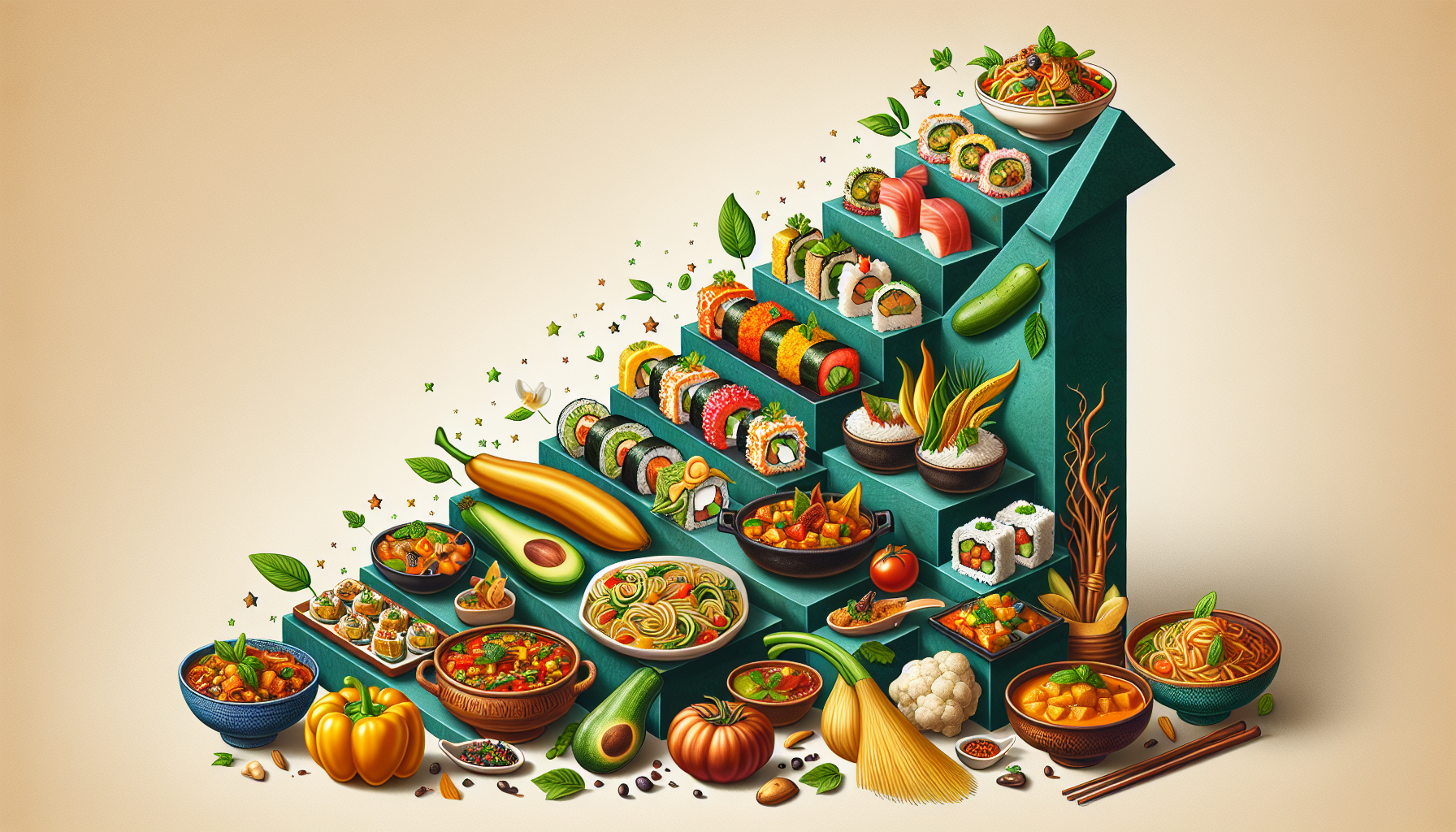
Plant-based cuisine is more than just a diet; it is a culinary movement that embraces a diverse range of foods derived from plants—including vegetables, grains, nuts, seeds, legumes, and fruits. As the demand for plant-based options rises due to health, ethical, and environmental factors, chefs and home cooks alike are exploring gourmet vegan dishes that elevate traditional flavors and techniques. The notion of gourmet typically conjures images of exquisite presentation and complex flavor profiles, and the world of vegan gastronomy is no exception.
The Evolution of Vegan Gourmet Dining
Historically, vegan cuisine has been perceived as limiting, often relying heavily on simple preparations that can lack excitement. However, with innovative techniques and a plethora of ingredients at their disposal, chefs committed to elevating plant-based dishes are transforming this perception.
Earlier iterations of vegan dining may have focused on tofu stir-fries or basic salads, but today’s gourmet vegan offerings boast intricately composed plates that draw inspiration from global flavors and culinary traditions. From the molecular gastronomy of renowned chefs like Dominique Crenn to the Mediterranean dishes crafted by institutions such as Sacred Chow in New York City, the gourmet vegan scene showcases creativity and skill.
Key Ingredients in Gourmet Vegan Dishes
1. Umami-Rich Components:
To create flavors that resonate with a wider audience, gourmet vegan chefs are adept at integrating umami-rich ingredients. Miso, mushrooms, sun-dried tomatoes, and nutritional yeast are staples that provide depth and satisfaction, challenging the notion that vegan dishes lack flavor.
2. Plant-Based Proteins:
High-quality plant-based proteins like tempeh, seitan, and legumes play a substantial role in gourmet vegan cooking. By utilizing different cooking methods such as marinating, braising, or smoking, chefs can enhance textures and flavors, offering diners complex dishes that mirror the experience of traditional gourmet fare.
advertisement

3. Fresh and Seasonal Produce:
Farm-to-table philosophies are prevalent among gourmet vegan chefs, emphasizing the use of local, seasonal ingredients. This not only enhances flavor profiles but also supports sustainable agriculture. Culinary creativity blossoms through the ability to experiment with diverse produce, from heirloom tomatoes to rare microgreens.
4. Exotic Grains and Flours:
Frequent flour and grain swaps have introduced varieties like quinoa, farro, and chickpea flour into gourmet dishes, expanding gluten-free and nutrient-dense options. These grains can be transformed into enlightening textures and utilized in both sweet and savory applications.
Innovative Cooking Techniques
1. Sous Vide Cooking:
This innovative method allows chefs to control the temperature accurately, resulting in perfectly cooked proteins. For vegan dishes, sous vide is used for vegetables such as carrots or squash, ensuring they retain flavor and moisture, creating an elegantly presented plate.
2. Fermentation:
The fermentation process not only enhances the nutritional profile of ingredients but also adds layers of flavor. Fermented foods like kimchi, tempeh, and miso can elevate the complexity of a dish, creating a gourmet experience that is both tasteful and beneficial to gut health.
3. Artistic Presentation:
Gourmet vegan dishes are not only about taste but also encompass visual appeal. Techniques such as plating with sauces and purées, artistic garnishing, and using edible flowers have led to striking dishes that are visually stimulating—a key aspect of gourmet dining.
The Importance of Sustainability
Sustainability is at the heart of the rise in gourmet vegan cuisine. As awareness of the environmental impact of food production grows, consumers increasingly demand transparency and ethical sourcing. Chefs are responding by sourcing local produce, reducing waste in their kitchens, and emphasizing plant-centric menus.
1. Ethical Sourcing:
The shift towards responsible consumption encourages chefs to connect with local farmers, fostering a sustainable model that prioritizes eco-friendly practices. By promoting local produce, chefs push not only for freshness but also for the preservation of regional biodiversity.
2. Zero-Waste Practices:
The gourmet vegan movement is making strides towards zero-waste practices, finding creative ways to use all parts of produce. This can include utilizing vegetable scraps for stocks, turning wilted greens into pesto, or creating chips from kale stems, minimizing waste while maximizing flavor.
Popular Gourmet Vegan Dishes
Truffle Risotto with Wild Mushrooms
This dish highlights the silky texture of Arborio rice combined with the earthiness of truffles. Finished with a drizzle of truffle oil and garnished with micro-arugula, this gourmet vegan take on risotto exemplifies the richness possible with plant-based ingredients.
Jackfruit Tacos with Mango Salsa
Acts as a plant-based alternative to pulled pork, jackfruit is marinated and slow-cooked to achieve a tender texture. Topped with a vibrant mango salsa, avocado cream, and pickled red onions, this dish bursts with both flavor and color.
Vegan Chocolate Fondant
Rich, velvety, and indulgent, this dessert is made using aquafaba and dark chocolate, resulting in a molten center. Served alongside coconut whipped cream and fresh berries, this dish embodies the luxurious experience of gourmet dining without animal products.
Smoky Eggplant Tartare
Utilizing smoked eggplant as a base, this dish is layered with capers, olives, and fresh herbs, resembling traditional tartare. Served with crackers or on toast, it’s a perfect appetizer reflecting flavors and textures that mimic seafood without compromising on creativity.
The Future of Gourmet Vegan Cuisine
As the culinary landscape continues to evolve, gourmet vegan cuisine is rising in prominence. Chefs are faced with the ongoing challenge of pushing the envelope and exploring new boundaries while staying true to the principles of plant-based eating.
The bridges between gourmet and vegan are stronger than ever, creating an inclusive dining experience that attracts various demographics—vegans, vegetarians, and omnivores alike. The innovative culinary techniques, diverse ingredients, and sustainability efforts mark a pivotal point in this movement, ensuring that gourmet vegan dishes not only nourish our bodies but also appeal to our taste buds and ethics.
As veganism transitions from a niche movement to a mainstream culinary trend, it sets the stage for an exciting future—one where flavor, aesthetics, and sustainability harmoniously coexist on the plate. Over the next several years, we can expect to see gourmet vegan cuisine continuing to evolve, drawing inspiration from global traditions and innovative practices, ultimately paving the way for a new era of culinary excellence.
By embracing creativity, flavor, and sustainability, gourmet vegan chefs are not just feeding the present but are also cultivating the future of what cuisine can look and taste like in a more compassionate world.
advertisement