Understanding AI Robots in Everyday Life
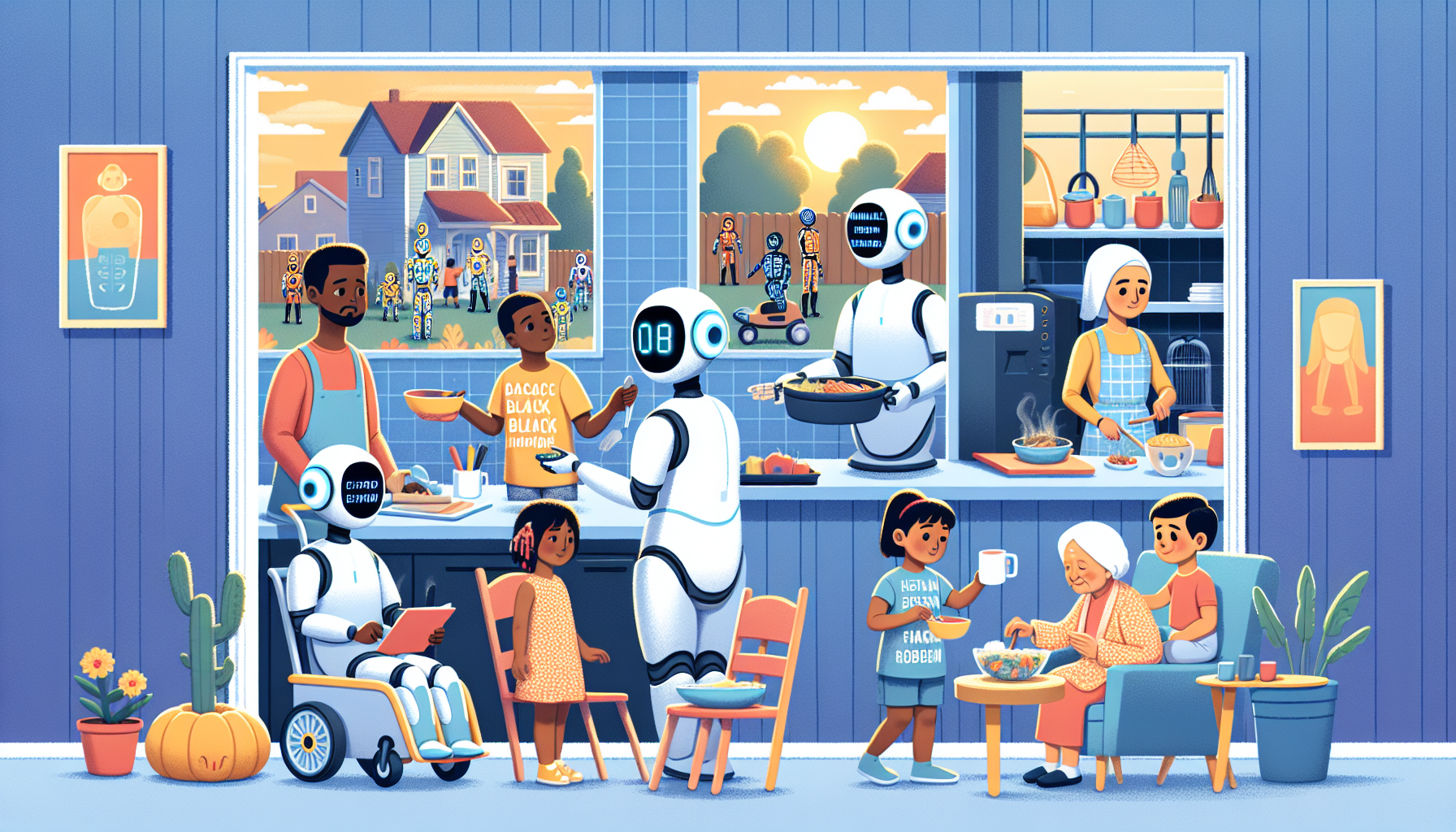
Artificial Intelligence (AI) robots represent an exciting frontier in modern technology, merging machine learning capabilities with physical robotics systems. Their application spans various sectors and promises to transform everyday life. As they become increasingly integrated into daily routines, it’s essential to explore how AI robots will shape the future of home life, workplaces, healthcare, and the broader socio-economic landscape.
AI Robots in the Home
Personal Assistants
One of the most visible examples of AI robots in homes today are personal assistants, such as Amazon Alexa and Google Assistant. These devices utilize natural language processing (NLP) to understand and respond to users’ commands, shaping the foundation for sophisticated robotic systems. Future iterations will likely evolve into more autonomous domestic robots capable of managing household tasks seamlessly, from cleaning floors with robotic vacuums to preparing meals.
Home Automation
AI robots will extend the smart home concept, automating mundane tasks. For instance, integrated systems controlling lighting, temperature, and security can learn homeowners’ patterns and preferences to optimize comfort and safety. Imagine a home robot capable of predicting when you’ll arrive and adjusting conditions accordingly, or alerting you to potential safety hazards, enhancing both convenience and security.
Companionship
The role of companionship is a significant aspect where AI robots can make a difference, particularly among the elderly or those living alone. Social robots like PARO, a therapeutic robot designed to resemble a baby seal, have already shown that robotic companionship can improve mental well-being. Future developments may lead to more advanced emotional AI, allowing robots to understand and respond to human emotions in real-time, forging deeper connections.
AI Robots in the Workplace
Automation of Repetitive Tasks
AI robots are set to revolutionize workplaces by automating repetitive and mundane jobs. Industries such as manufacturing and logistics already employ robots for assembly lines and warehouse management. With AI advancements, robots can adapt to changes in workflow, reducing downtime and increasing productivity. Predictive maintenance of machinery through AI will further optimize operations, ensuring machines operate at peak efficiency.
advertisement

Collaborating with Human Workers
The future of work won’t just involve robots replacing human jobs but also collaborating with human workers. Cobots, or collaborative robots, are designed to work alongside humans, taking on physically demanding tasks such as material handling or assembly. This synergy not only boosts productivity but also minimizes the risk of workplace injuries, creating a safer working environment.
Enhanced Decision-Making
AI robots equipped with machine learning algorithms can analyze vast amounts of data to assist in strategic decision-making processes. By providing insights based on data trends, they can help businesses identify market opportunities, optimize supply chain management, and enhance customer engagement strategies.
AI Robots in Healthcare
Patient Care Assistance
AI robots have immense potential in providing assistance to healthcare professionals. Robots can assist in routine tasks such as taking vital signs, delivering medications, and transporting supplies within hospitals. This allows nurses and doctors to focus on more complex patient needs, improving overall care.
Telemedicine and Virtual Health Assistants
AI-enabled robots can facilitate telemedicine, providing support for remote monitoring of patients. Virtual health assistants equipped with AI capabilities can answer health-related queries and assist patients in managing chronic conditions. Future developments may lead to more sophisticated robots capable of providing virtual physical therapy or rehabilitation guidance.
Surgical Precision
The introduction of AI robots in surgery has already paved the way for less invasive procedures and increased precision in operations. The future of surgical robots will likely involve AI systems that learn from a multitude of past surgeries, improving their effectiveness and safety through machine learning advancements.
AI Robots and Education
Intelligent Tutoring Systems
AI robots are poised to make significant strides in education. Intelligent tutoring systems can adapt to individual learning styles, providing personalized instruction to students. These systems will analyze student performance in real time, adjusting the curriculum and difficulty level to optimize learning outcomes.
Enhancing STEM Education
Incorporating AI robots in the classroom can enhance STEM (Science, Technology, Engineering, and Math) education. Robotics kits designed for students foster creativity and problem-solving skills. As students engage with coding and robotics, they gain essential skills for future job markets, preparing them for careers in the technology sector.
AI Robots and Leisure
Entertainment and Gaming
The entertainment industry is experiencing a robotic evolution with AI-enhanced characters and narratives. Video games are increasingly utilizing AI to create more immersive environments, adapting challenges based on player behaviors. Personal AI companions can create unique gaming experiences, enhancing user engagement through dynamic storytelling.
Robotics Competitions
Competitions such as FIRST Robotics and BattleBots offer platforms for enthusiasts and innovators to showcase their talents. As AI robots become more sophisticated, they will participate in challenging circumstances, pushing the boundaries of technological capabilities and providing both participants and audiences with thrilling experiences.
Ethical Considerations
Job Displacement Concerns
As robots take over tasks once performed by humans, concerns about job displacement arise. It’s crucial to approach the integration of AI robots thoughtfully, considering the social implications and ensuring that workers are reskilled for new opportunities within the AI-driven economy.
Privacy and Security
The adoption of AI robots in everyday life raises significant concerns about privacy and security. With autonomous robots collecting data in real-time, safeguards must be in place to protect personal information. Transparency in how data is used and ensuring robust cybersecurity measures is essential for building trust among users.
Ethical Programming
As AI robots become increasingly autonomous, ethical programming becomes imperative. Developers must ensure that robotic systems adhere to ethical guidelines, safeguarding against biases in AI decision-making that could lead to unfair treatment of individuals or groups.
Future Trends in AI Robotics
Improved Natural Language Processing
Future advancements in natural language processing will allow AI robots to engage in more human-like conversations, understanding context, sentiment, and subtext. This will lead to enhanced interaction capabilities, enabling robots to provide more personalized assistance in homes and workplaces.
Autonomous Delivery Systems
Autonomous delivery robots are anticipated to become a common sight in urban areas, providing last-mile delivery solutions. These robots will utilize AI for navigation and obstacle avoidance, improving efficiency in logistics while reducing traffic congestion and carbon footprints.
Environmental Monitoring
AI robots equipped with sensors can monitor environmental conditions, assisting in tasks such as identifying pollution levels or assessing wildlife habitats. This technology can contribute significantly to conservation efforts and disaster response, providing real-time data crucial for informed decision-making.
Conclusion
The integration of AI robots into everyday life marks a pivotal shift in how we interact with technology, each other, and our environment. From personalized home assistants to autonomous healthcare solutions, the potential applications are vast and varied. As advancements continue, addressing ethical concerns and embracing robust regulatory frameworks will be essential in ensuring we harness the full potential of AI robots for a brighter, more efficient future.
advertisement