Understanding the Basics of a Stylish Men’s Wardrobe
1. Establishing Your Personal Style
Identify Your Lifestyle Needs
Before diving into the essentials, assess your daily activities. Do you work in a corporate environment, or is your job more casual? Understanding the context of your life helps in curating a wardrobe that suits your needs.
Choose Signature Colors
Opt for colors that complement your skin tone and can be easily mixed and matched. Neutrals like navy, gray, and white are versatile base colors, while adding a few bolder hues like burgundy or forest green can add character.
Evaluate the Message You Want to Convey
advertisement

Your wardrobe can reflect your personality—whether you’re aiming for sophistication, creativity, or rugged independence. Prioritize pieces that communicate the image you wish to project effectively.
Core Wardrobe Essentials
2. Tops: The Building Blocks
-
Button-Up Shirts
- Types: Oxford, slim-fit, and chambray are essential.
- Colors: Start with white and light blue; add checks or subtle patterns for variety.
-
T-Shirts
- Materials: Invest in high-quality cotton or linen.
- Styles: Classic crew necks and V-necks work best; solid colors are easily layered.
-
Sweaters
- Variety: Crew necks and cardigans are perfect for layering.
- Fabric: Merino wool and cashmere are ideal for comfort and warmth.
-
Outerwear
- Types of Jackets: A tailored blazer, a classic denim jacket, and a versatile bomber jacket are fundamental.
- Overcoats: Invest in a wool overcoat that works for formal and semi-formal occasions.
3. Bottoms: Finding the Right Fit
-
Trousers
- Color: Stick to tailored navy and gray trousers for versatility.
- Fit: Ensure the fit is flattering but allows movement; consider a slim or tailored cut as a modern option.
-
Chinos
- Flexibility: Chinos bridge casual and formal wear. Tan, olive, and navy chinos add variety.
- Care: Choose a breathable fabric for comfort and style.
-
Jeans
- Styles: Dark wash jeans are more versatile, while medium washes add a casual touch. Avoid overly distressed jeans for a polished look.
- Fit: Look for slim or straight cuts that complement your body’s shape.
4. Footwear: Completing Your Look
-
Dress Shoes
- Types: Oxfords for formal occasions, brogues for smart-casual, and monk straps for a unique twist.
- Material: Leather shoes ought to be well-polished and should fit comfortably.
-
Casual Shoes
- Options: Vintage sneakers and loafers provide versatility. White sneakers can transition through various styles.
- Maintenance: Invest in a protective spray for longevity if you choose lighter colors.
-
Boots
- Styles: Chelsea boots or desert boots can elevate both casual and dressy outfits.
- Fabric: Leather or high-quality suede are preferred choices.
Accessories: Elevating Your Ensemble
5. The Power of Accessories
-
Watches
- Types: A classic dress watch and a sporty watch can cover different occasions.
- Material: Leather bands for formal wear and metal for a more rugged look.
-
Belts
- Material: Leather belts add durability and style; ensure they match your shoes for cohesion.
- Colors: A black and a brown belt can cover most outfits.
-
Ties and Pocket Squares
- Functionality: Ties enhance formal wear; a pocket square adds a pop of color and sophistication.
- Patterns: Subtle patterns for ties and vibrant colors for pocket squares allow for expressiveness in formal settings.
-
Hats
- Styles: Fedoras can be stylish for semi-formal occasions while beanies are perfect for casual outings.
- Material and Season: Wool for winter and straw for summer ensure year-round warmth and comfort.
Fabric and Care Considerations
6. Understanding Fabric Choices
Natural vs. Synthetic
- Breathability: Cotton and linen are breathable and comfortable. Opt for high-quality materials for longevity.
- Performance: Wool and cashmere are ideal for layering, offering warmth without bulk.
Care Instructions
- Washing: Commit to habitually following care labels to maintain appearance.
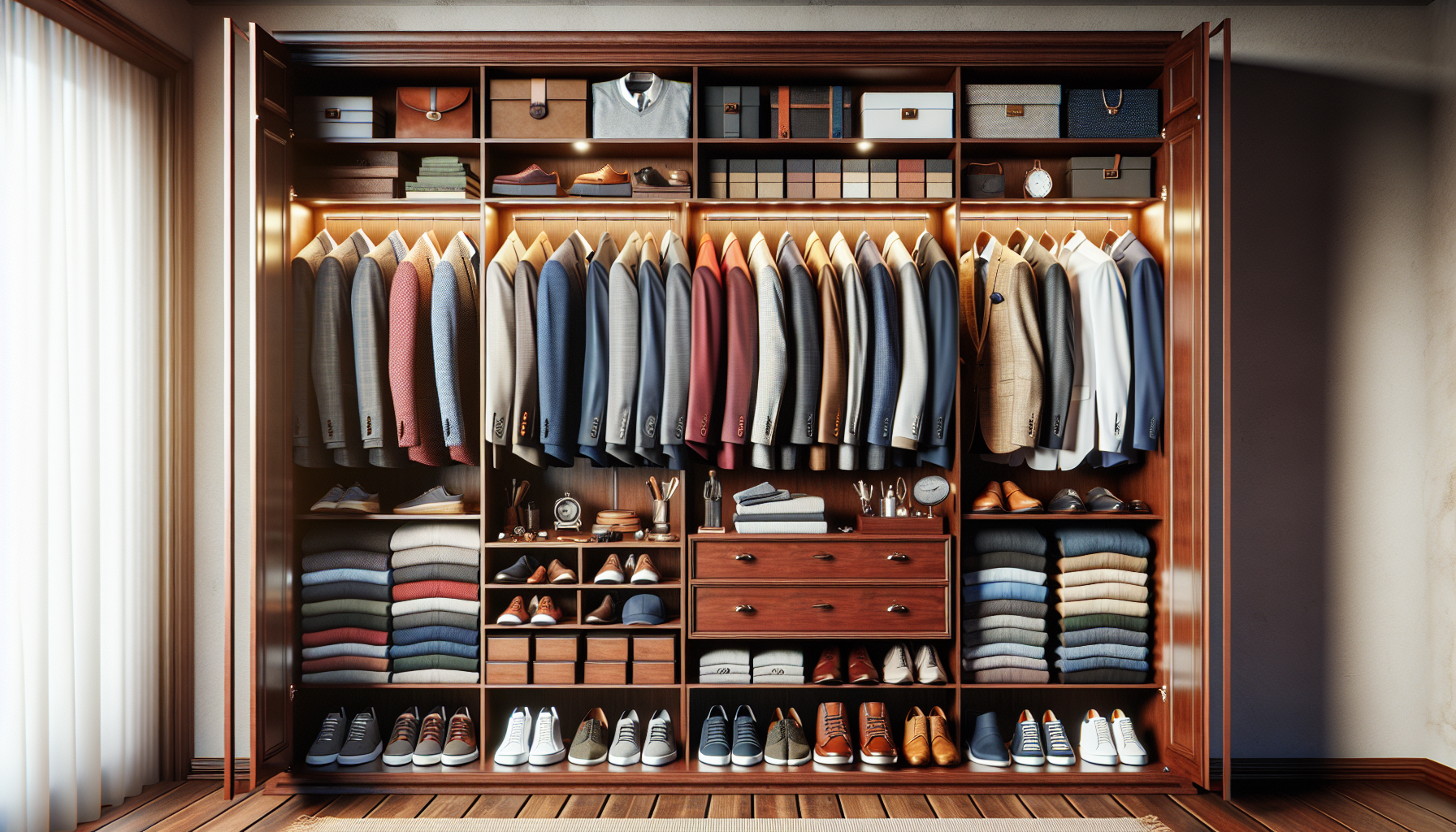
- Storage: Use wooden hangers for shirts and blazers; fold sweaters to prevent stretching.
Building Versatility in Your Wardrobe
7. Mixing and Matching
Creating Outfits
- Basics: Pair a white dress shirt with dark jeans and brown loafers for a smart-casual look.
- Layering: Treat outerwear as an essential tool for style; a blazer can transform a casual ensemble into something chic and polished.
8. Embracing Trends Mindfully
Stay Updated, Stay Classic
Following fashion trends can rejuvenate your wardrobe, but incorporating them slowly and sparingly within your basic style ensures you don’t stray too far from your identity.
Seasonal Considerations
9. Adapting Your Wardrobe to Seasons
Spring/Summer
- Lightweight materials and light colors become paramount; strategize lighter layering options.
- Opt for linen shirts and unsaturated chinos.
Autumn/Winter
- Invest in warm outerwear; cashmere for sweaters and heavier fabrics for trousers are essential.
- Focus on layering techniques; a base layer (t-shirt), mid-layer (sweater), and outer layer (coat) can keep you stylish.
Specific Occasions
10. Dressing for Different Scenarios
Formal Events
- Tailored suits in darker colors with a well-fitted dress shirt and polished leather shoes.
- Accessories should be subtle yet sophisticated.
Casual Outings
- Chinos or well-fitted jeans with a polo or button-up shirt for an easy yet stylish look.
- Sneakers or loafers for comfort.
Work Environment
- Depending on the workplace dress code, a combination of sleek trousers, button-up shirts, and loafers may be a perfect balance between professional and stylish.
Personal Grooming
11. Grooming to Complement Your Wardrobe
Skincare and Haircare
Establish a skincare routine and keep your hair well-groomed. Both contribute significantly to your overall appearance and can elevate your style by exuding confidence.
Conclusion
By following these guidelines, you can create a stylish wardrobe personalized to your liking and versatile enough to suit any occasion.
advertisement