The Ultimate Guide to Cooking Perfectly Juicy Chicken
Understanding Chicken Cuts
1. Whole Chicken
A whole chicken is a great choice for roasting, allowing for even cooking and skin crispness. The key to juicy meat is to avoid overcooking.
2. Chicken Breasts
Chicken breasts are popular for their lean quality. They are best marinated or brined to maintain moisture during cooking.
3. Chicken Thighs
Thighs are darker meat with more fat, making them inherently juicier than breasts. They can handle higher cooking temperatures without drying out.
4. Chicken Drumsticks
Similar to thighs, drumsticks are flavorful and juicy. They can be roasted or grilled effectively.
5. Chicken Wings
Wings are perfect for frying or baking. Their higher skin-to-meat ratio offers a crispy texture with juicy meat.
advertisement

Preparation Techniques
Brining
Brining chicken involves soaking the meat in salty water or a solution. This process allows the meat to absorb moisture, enhancing flavor and juiciness.
- Basic Brining Solution: Use 1/4 cup of salt per quart of water. You may add herbs, spices, or sugar for additional flavor.
- Brining Time: For breasts, brine for 30 minutes to 2 hours; for whole chickens, up to 12 hours.
Marinades
Marinades can infuse chicken with flavor while also helping retain moisture during cooking.
- Classic Marinade Ingredients: Oil (like olive oil), acid (like lemon juice or vinegar), and seasonings (herbs, spices, garlic).
- Marinating Time: 30 minutes to 12 hours, depending on the strength of the marinade and chicken cut.
Dry Brining
Dry brining requires seasoning the chicken with salt and letting it rest in the refrigerator. The salt draws out moisture, which then reabsorbs back into the meat, intensifying flavor and juiciness.
- Dry Brining Steps:
- Season the chicken evenly with kosher salt.
- Place it on a wire rack over a baking sheet.
- Refrigerate uncovered for several hours or overnight.
Choosing Cooking Methods
Roasting
-
Prepare Your Chicken: Pat it dry to ensure crispy skin. Season generously both inside and out.
-
Cooking Temperature: Roast at 375°F for optimal juiciness. Higher temperatures can cause the outside to cook too quickly before the interior has finished cooking.
-
Cooking Time: A 4- to 5-pound chicken typically takes 1 hour and 15 minutes to 1 hour and 30 minutes. Use a meat thermometer to ensure the internal temperature reaches 165°F.
Grilling
-
Preheat the Grill: Make sure your grill is well-heated to create a sear.
-
Direct and Indirect Heat: Sear on direct heat and then move to indirect heat to cook through without drying out.
-
Basting: Use a marinade or sauce to baste the chicken during grilling to enhance moisture.
Poaching
-
Gentle Cooking Method: Poaching involves cooking chicken in simmering water or broth. It’s one of the best ways to ensure a juicy product.
-
Flavoring the Liquid: Add herbs, spices, and aromatics to the poaching liquid for additional flavor.
-
Cooking Time: Typically, poach chicken for 15-20 minutes, ensuring it remains tender and juicy.
Sous Vide
-
Precision Cooking: Sous vide allows you to cook chicken to an exact temperature, ensuring it remains juicy.
-
Temperature Settings: For chicken breasts, set the sous vide to 140°F for 1-2 hours. For thighs, set it to 165°F.
-
Searing Post-Sous Vide: After cooking, quickly sear the chicken in a hot pan for crispy skin.
Frying
-
Choose the Right Oil: Use an oil with a high smoke point, such as peanut or vegetable oil.
-
Double-Dip Technique: For crispier skin, dredge in flour, dip in egg, and then coat again in flour before frying.
-
Maintain Oil Temperature: Keep the oil at around 350°F. Fry in batches if necessary to avoid dropping the oil temperature.
Seasoning and Flavoring
Spice Blends
Create your own unique spice blends to season chicken before cooking. Popular combinations include garlic powder, paprika, cayenne, oregano, and thyme.
Rubs
Dry rubs can be massaged into the chicken skin. A simple blend of spices and a bit of oil works wonders to create a flavorful crust.
Stuffing
Consider stuffing a whole chicken with aromatic vegetables like onion, garlic, and herbs. This enhances flavor and adds moisture.
Ensuring Even Cooking
Resting Period
Once cooked, allow chicken to rest for at least 5-10 minutes. This resting time allows the juices to redistribute throughout the meat, preventing them from running out when cut.
Tent with Foil
Covering the chicken loosely with foil during resting keeps it warm without steaming the skin.
Common Mistakes to Avoid
Overcooking
The most common mistake is overcooking chicken, leading to dry meat. Use a meat thermometer to ensure proper doneness.
Not Seasoning Well
A common pitfall is under-seasoning. Ensure you use enough salt and spices to enhance the flavor.
Skipping the Resting Step
Cutting into chicken immediately after cooking can lead to dry meat. Always let it rest first.
Storing Leftovers
Refrigeration
Store leftover chicken in an airtight container in the fridge. Consume it within 3-4 days for the best quality.
Freezing
For longer storage, freeze cooked chicken. Wrap it tightly to avoid freezer burn and label with the date. Properly stored, it lasts up to 4 months.
Reheating
Oven Method
Reheat chicken in a 350°F oven until warmed through. Add a splash of broth or oil to prevent drying out.
Microwave Method
If you’re short on time, microwaving is quick. Place the chicken in a microwave-safe dish with a damp paper towel to retain moisture.
Recommended Combinations
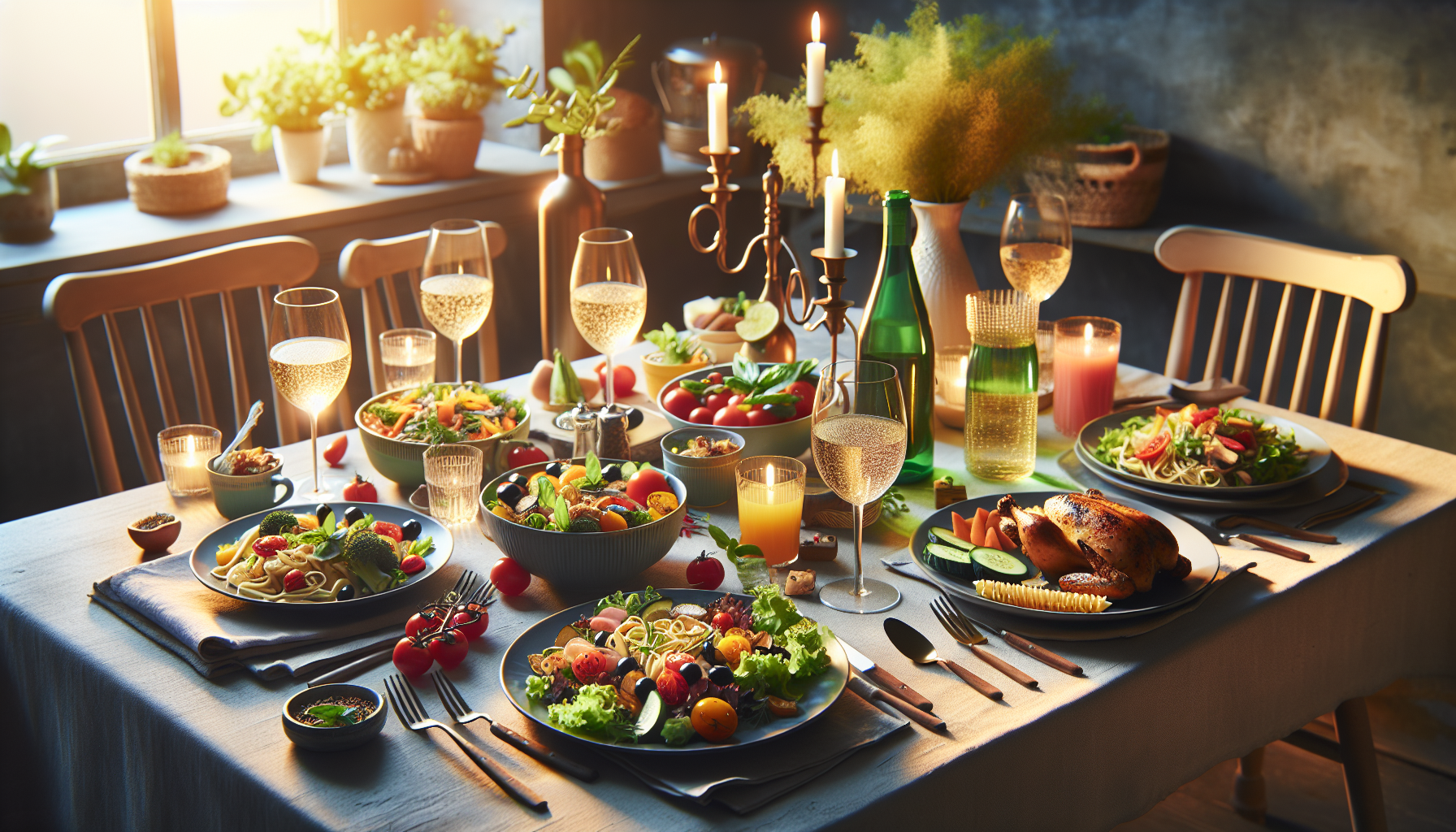
Pair your perfectly juicy chicken with sides like roasted vegetables, rice, or fresh salads for a complete meal.
By mastering these techniques and tips, you can ensure that your chicken dishes are always perfectly juicy, packed with flavor, and satisfying to eat. Enjoy experimenting with different cooking methods and seasonings to find your favorites!
advertisement