Exploring the Rich History of Sushi
Early Origins of Sushi
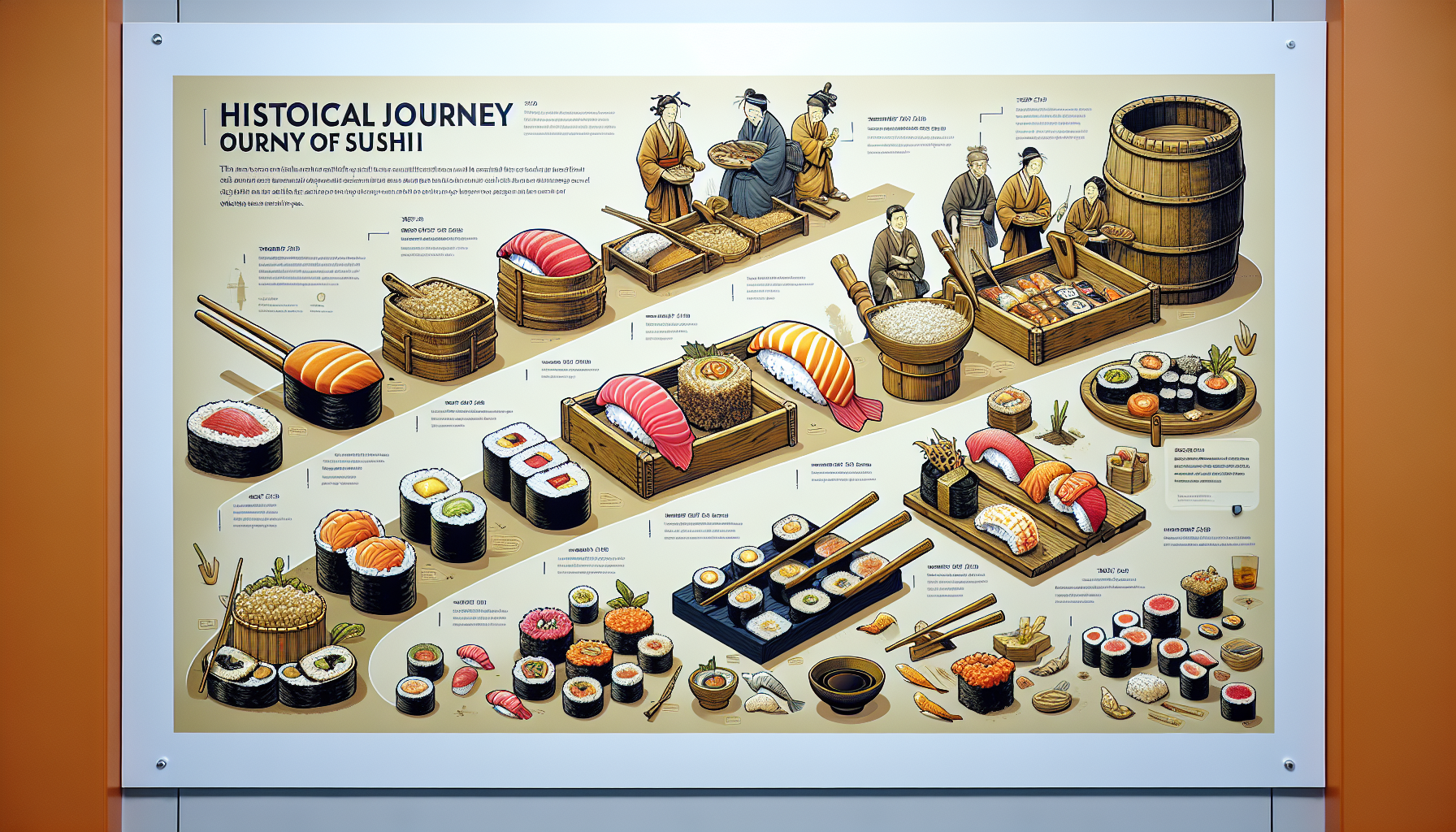
Sushi, now a beloved culinary art form enjoyed across the globe, has roots that trace back to ancient Southeast Asia over 2,000 years ago. The initial concept of sushi began with a method of preserving fish in fermented rice. This process originated from narezushi, which utilized cooked rice and fermented fish, allowing it to ferment for months. This method was not only a way to preserve food but also reflected the region’s agricultural practices. The fermented rice helped the fish to remain edible longer, catering to a time when refrigeration was nonexistent.
As this technique traveled to Japan around the 8th century, it evolved drastically. The Japanese began to consume narezushi with the rice, and the flavor profile changed, leading to a more palatable and convenient dish. The introduction of vinegar to the preparation process marked a significant culinary innovation, paving the way for modern sushi.
The Edo Period: Birth of Modern Sushi
The Edo period (1603-1868) in Japan marked a transformative era for sushi. With the rise of Tokyo—then known as Edo—urbanization led to new culinary practices. Food vendors began to sell quick, affordable meals to those living in the bustling city. It was during this time that nigiri sushi emerged, particularly as a response to the fast-paced lifestyle of Edo’s inhabitants. Nigiri sushi typically consists of hand-formed rice topped with fresh fish or seafood, a concept that allowed for immediate consumption.
Master sushi chefs emerged, elevating sushi into a refined art form. Not only did they focus on the flavor dynamics between the fish and the vinegared rice, but they also became adept at creating aesthetically pleasing presentations. The use of fresh ingredients became paramount, driven by the proximity of Tokyo Bay and its abundant supply of seafood. This era helped cement sushi as a significant element of Japanese culture.
Regional Variations of Sushi
Japan’s diverse geography gave rise to various regional sushi styles. Some notable ones include:
advertisement

-
Osaka-style Sushi: Known as oshizushi, this style involves pressing sushi rice and toppings into a wooden mold, giving it a compact form that can be easily sliced. The toppings often include cooked and marinated fish, showcasing the region’s unique flavor preferences.
-
Kansai-style Sushi: This style includes various ingredients such as vegetables and boiled fish. Kansai sushi tends to have a subtle flavor profile and is often served in a more traditional manner.
-
Wraps and Rolls: In contrast to the traditional forms of sushi, temaki sushi or hand rolls became popular in the late 19th and early 20th centuries and allowed diners to enjoy sushi ingredients wrapped in seaweed. The style was often associated with social dining, emphasizing convenience and communal eating.
Sushi in the Modern Era
Post-World War II Japan led to significant shifts in sushi practices. As Japan reopened to foreign influences, the sushi culture began to spread internationally. Sushi restaurants opened beyond Japan, with a notable boom in the United States during the 1970s. California rolls exemplified this phenomenon, introducing the concept of sushi to a broader audience, often utilizing ingredients not traditionally found in Japan, such as avocado and imitation crab meat.
The global sushi trend has led to various fusion adaptations. In places like the United States, sushi has transformed to incorporate local ingredients and flavors. Specialty sushi rolls featuring cream cheese, spicy sauces, and fried elements are commonplace in American sushi bars. Such modifications highlight how food can evolve while retaining its cultural roots.
Sushi Quality and Ethics
As the popularity of sushi surged globally, so too did discussions surrounding quality and sustainability. Sushi’s key component, fish, particularly tuna, has come under scrutiny due to overfishing concerns. The bluefin tuna, once a staple in high-end sushi, faced drastic population declines. Conservation measures and responsible sourcing practices have become critical topics within the sushi industry.
Quality sushi typically adheres to specific standards. Sushi chefs are often trained for years to perfect their craft, emphasizing the importance of fish handling, rice preparation, and aesthetic presentation. Understanding the intricacies of flavor pairing is also crucial. Authentic sushi chefs honor traditional techniques while maintaining a focus on freshness and ethical sourcing.
Sushi Education and Culinary Culture
Culinary institutes across the globe now offer programs specializing in sushi preparation and presentation, reflecting its increased recognition as a culinary art. Traditional sushi training often takes years, where students learn everything from rice steaming to fish cutting and the cultural significance of each practice. Sushi-making classes are also popular in urban centers, inviting individuals to engage with this cultural delicacy firsthand.
Sushi has become a subject of interest for food bloggers and enthusiasts, leading to a proliferation of online content dedicated to sushi-making techniques, recipes, and reviews of sushi restaurants. The culture around sushi continues to thrive, characterized by the excitement of discovering new flavors, presentations, and styles.
The Global Reception of Sushi
In cities worldwide, sushi has been embraced with enthusiasm. Sushi bars vary from high-end restaurants focusing on omakase experiences—which present a curated dining journey—to more casual establishments that emphasize fast service and affordability. Sushi serves as a representation of social eating in many cultures, uniting people around shared experiences and flavors.
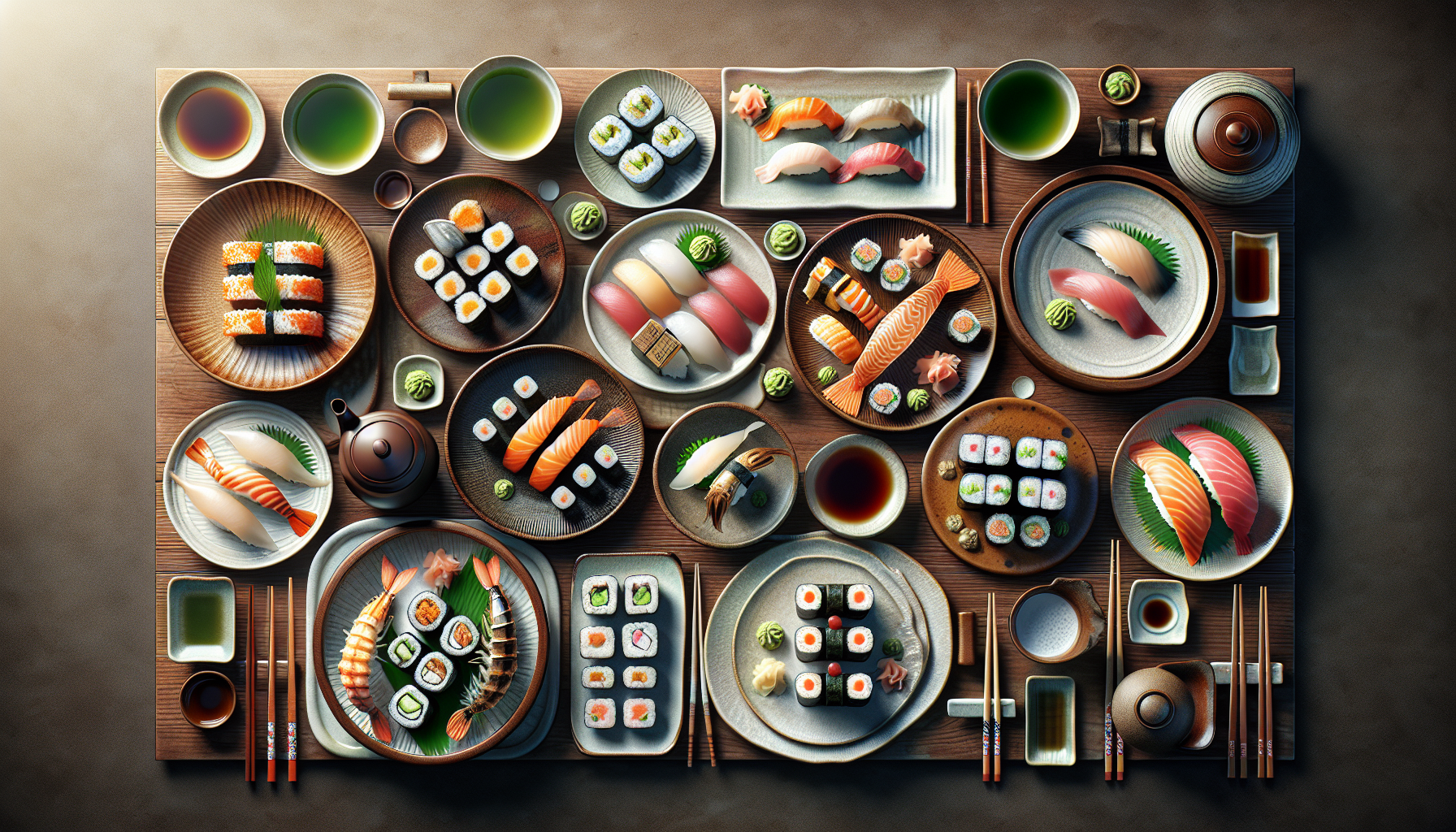
The advent of social media has further propelled sushi into the global spotlight, with visually stunning sushi dishes being shared on platforms like Instagram. This visual appeal adds a layer of excitement to the sushi dining experience, prompting diners to seek out unique and photogenic options.
Conclusion of the Journey: The Future of Sushi
As the history of sushi unfolds, it continues to evolve, reflecting the changing dynamics of society and culinary preferences. With a balancing act between maintaining traditional techniques and embracing innovation, sushi demonstrates an enduring appeal that transcends borders and cultures. Through its rich history, from its humble beginnings in ancient preservation practices to its present-day acclaim, sushi encapsulates a culinary journey steeped in tradition, adaptation, and cross-cultural exchange. The appreciation for sushi persists, inviting individuals to explore its depths while respecting its heritage.
Ultimately, the enduring legacy of sushi lies in its ability to connect people—whether shared over a meal in a bustling restaurant or enjoyed in the comfort of home, it remains a symbol of culinary artistry and cultural exchange. Sushi’s journey is far from over, as its history continues to be written with every roll and slice enjoyed worldwide.
advertisement