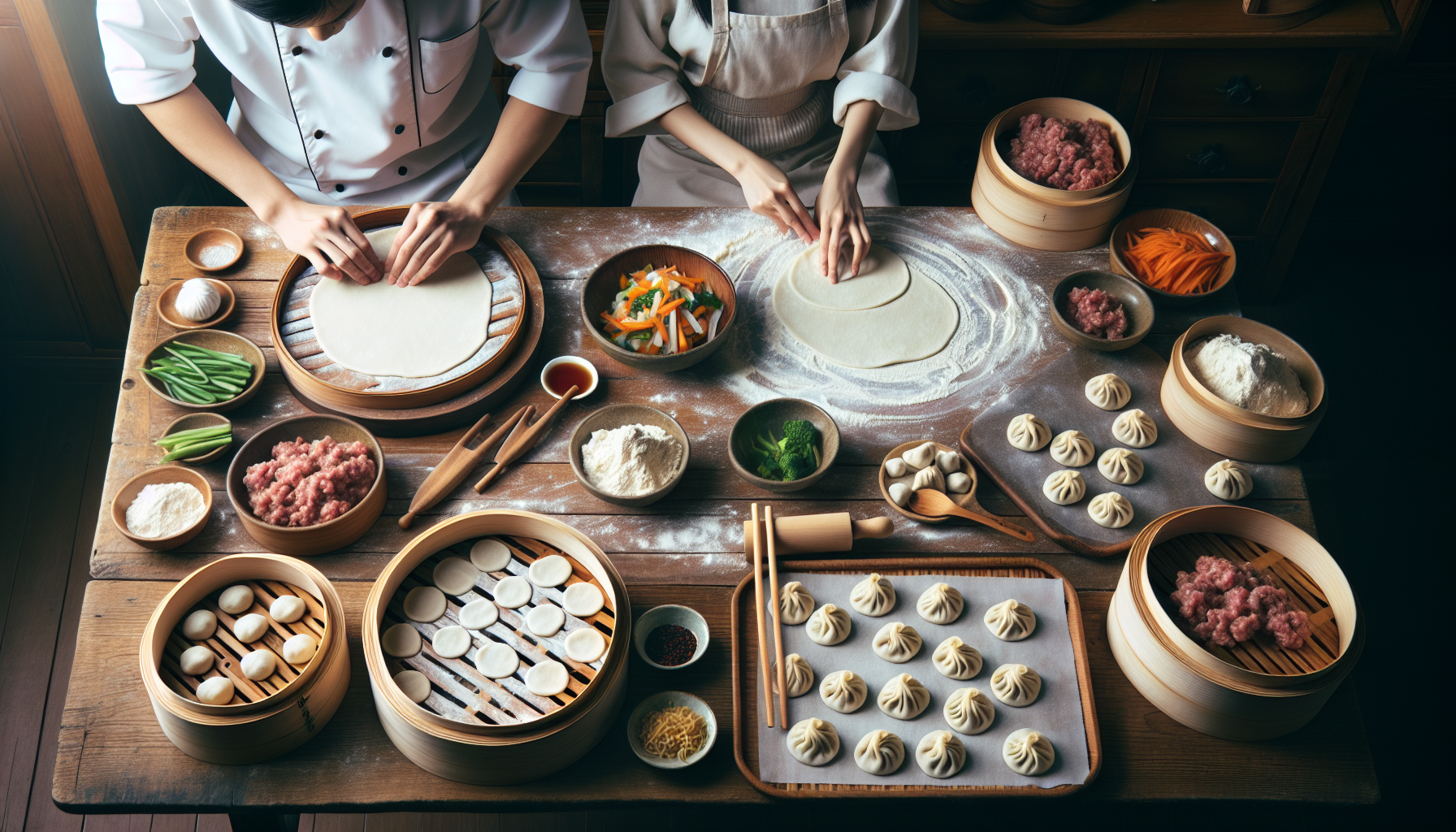
The Art of Dumpling Making: A Chinese Culinary Tradition
Historical Context of Dumplings
Dumplings, known as “jiaozi” in Mandarin, have a rich history that dates back over 1,800 years. Originating in northern China, these culinary delights were first created by Zhang Zhongjing, a physician, who sought to alleviate the suffering of the poor during the winter months. He crafted his dumplings using ground meat and herbs, wrapped in dough, and steamed them to provide warming nourishment. Today, dumplings are a symbol of unity and celebration, often associated with family gatherings during major festivals such as the Chinese New Year.
Significance of Dumplings in Chinese Culture
Dumplings play an essential role in Chinese culture, especially during traditional celebrations. The act of making dumplings together fosters family bonding and symbolizes wealth and prosperity due to their shape resembling ancient Chinese gold ingots. The filling varies widely between regions, reflecting local ingredients and culinary preferences, while the techniques used for making dumplings are passed down through generations, embedding the process with familial significance.
Types of Dumplings: A Culinary Exploration
Dumplings come in a variety of forms and flavors, each unique to its regional heritage. The following types represent the diversity found in Chinese dumpling culture:
-
Jiaozi (饺子): The most recognized type, these are often pan-fried or boiled. They are filled with a mixture of ground meat, vegetables, and spices.
-
Baozi (包子): These steamed buns can be filled with meats or sweet fillings like red bean paste.
-
Wonton (馄饨): Typically found in soups, wontons are thinner-skinned dumplings filled with shrimp or minced pork and vegetables.
-
Xiaolongbao (小笼包): Famous for their soup-filled interior, these delicate dumplings are steamed and require a gentle touch when eating.
-
Shumai (烧卖): Open-topped dumplings commonly found in dim sum. Shumai is often filled with minced pork and shrimp.
-
Gyoza (饺子): Japanese-style dumplings inspired by Chinese traditions, these are usually pan-fried and served with a dipping sauce.
Essential Ingredients for Dumpling Making
The key to perfect dumplings lies in the quality of the ingredients used. Here’s a breakdown of the essential components:
Dough
The dough serves as the foundation for any dumpling. Its basic ingredients are flour and water, with some recipes calling for salt or egg to enhance texture.
advertisement

-
Flour: All-purpose flour is commonly used, but for a chewier texture, high-gluten or bread flour can be employed.
-
Water: The temperature of the water can affect the elasticity of the dough; lukewarm water is ideal for a softer dough.
Fillings
Fillings can be as varied as one’s imagination allows. However, certain traditional fillings are favored:
-
Pork: Ground pork mixed with ginger, garlic, and green onions is a classic filling.
-
Vegetables: Shredded cabbage, mushrooms, and carrots mixed with tofu create a satisfying vegetarian option.
-
Seafood: Shrimp mixed with scallions and a hint of sesame oil yields a fragrant filling.
-
Spices and Aromatics: Soy sauce, sesame oil, ginger, garlic, and scallions enhance the depth of flavors and aromas.
Tools of the Trade
Having the right tools can make the dumpling-making process smoother and more enjoyable:
-
Rolling Pin: A traditional wooden rolling pin helps in rolling out the dough evenly.
-
Dumpling Mold: While optional, a mold can expedite the shaping process.
-
Paring Knife: For cutting dough into uniform circles.
-
Steamer Basket: Essential for steaming dumplings to perfection, bamboo baskets impart a unique flavor.
Dough Preparation: Step-by-Step
-
Mix the Flour and Water: In a bowl, gradually combine flour with lukewarm water, mixing until a shaggy dough forms.
-
Kneading: On a floured surface, knead the dough for about 10 minutes until smooth and elastic.
-
Resting: Cover the dough with a damp cloth or plastic wrap, allowing it to rest for at least 30 minutes to one hour.
-
Rolling: Divide the rested dough into smaller portions and roll them out into thin circles of about 3-4 inches in diameter.
Filling Preparation: Creating the Perfect Mix
-
Choosing Ingredients: Select your desired proteins and vegetables; finely chop them to ensure even distribution.
-
Mixing: In a bowl, combine the filling ingredients, adding soy sauce, sesame oil, and spices to taste.
-
Marinating: Let the filling rest for about 15-30 minutes to allow the flavors to meld.
Wrapping Dumplings: Technique and Tips
-
Placement of Filling: Spoon a small amount of filling (about 1 tablespoon) into the center of each dough circle.
-
Moistening Edges: Lightly wet the edges of the dough with water to help seal the dumplings.
-
Folding: Fold the dough over the filling to create a half-moon shape. Pinch the edges together firmly.
-
Crimping: For decorative flare, crimp the edges by making small pleats, securing the filling inside.
Cooking Techniques: Different Methods to Enjoy Dumplings
Dumplings can be prepared using several cooking techniques, each bringing out unique flavors and textures:
-
Boiling: Drop dumplings into boiling water. Once they float to the surface, they’re ready to eat.
-
Steaming: Place dumplings in a steamer basket lined with cabbage leaves to prevent sticking. Steam for about 15 minutes.
-
Pan-Frying: Known as “potstickers,” start with a hot skillet, add dumplings, and sear until golden brown. Then add water, cover, and steam.
-
Deep-Frying: For a crispy texture, deep-fry dumplings until golden brown. This method is especially popular for wontons.
Dipping Sauces and Accompaniments
Dumplings are often served with a variety of dipping sauces that enhance their flavors:
-
Soy Sauce with Vinegar: A classic combination is a mixture of soy sauce, rice vinegar, and a hint of chili oil.
-
Sesame Oil: Pure sesame oil drizzled over dumplings adds a rich nuttiness.
-
Chili Paste: For those who enjoy a spice kick, chili paste can add heat to the meals.
-
Ginger and Garlic Blend: Mixing minced ginger and garlic into soy sauce creates a fragrant dipping option.
Serving Dumplings
Dumplings are best enjoyed fresh, immediately after cooking. They can be served on a decorative platter, garnished with chopped scallions, and complementing bowls of sauces. It’s common to enjoy dumplings with tea, enhancing the overall dining experience.
Preserving and Freezing Dumplings
For those who wish to prepare dumplings in advance, freezing is an excellent method:
-
Freezing: Arrange uncooked dumplings on a parchment-lined tray, ensuring they do not touch. Freeze until solid before transferring them to an airtight container.
-
Cooking from Frozen: When ready to enjoy, you can boil or steam frozen dumplings without thawing, simply extending the cooking time slightly.
Dumpling-Making as Family Bonding
The intricate process of dumpling making is often a family affair. Each member can contribute in some way, from mixing and rolling the dough to filling and wrapping. Sharing techniques and tips creates a joyful atmosphere, fostering not only culinary skills but memories as well.
Modern Interpretations and Global Influence
In recent years, dumplings have gained global popularity, leading to innovative interpretations. Chefs worldwide are experimenting with fillings ranging from non-traditional ingredients to fusion flavors. Asian-inspired dumpling food trucks and restaurants have sprung up, offering unique experiences, such as vegan dumplings, gluten-free options, and gourmet fillings.
Conclusion
Dumpling making is a cherished Chinese culinary tradition that transcends generations. Its deep-rooted cultural significance, coupled with the joy of creation and shared meals, makes it a culinary art form worth mastering. By understanding the history, types, and preparation techniques, anyone can appreciate the beauty of dumplings and incorporate this delightful experience into their own kitchen traditions.
advertisement