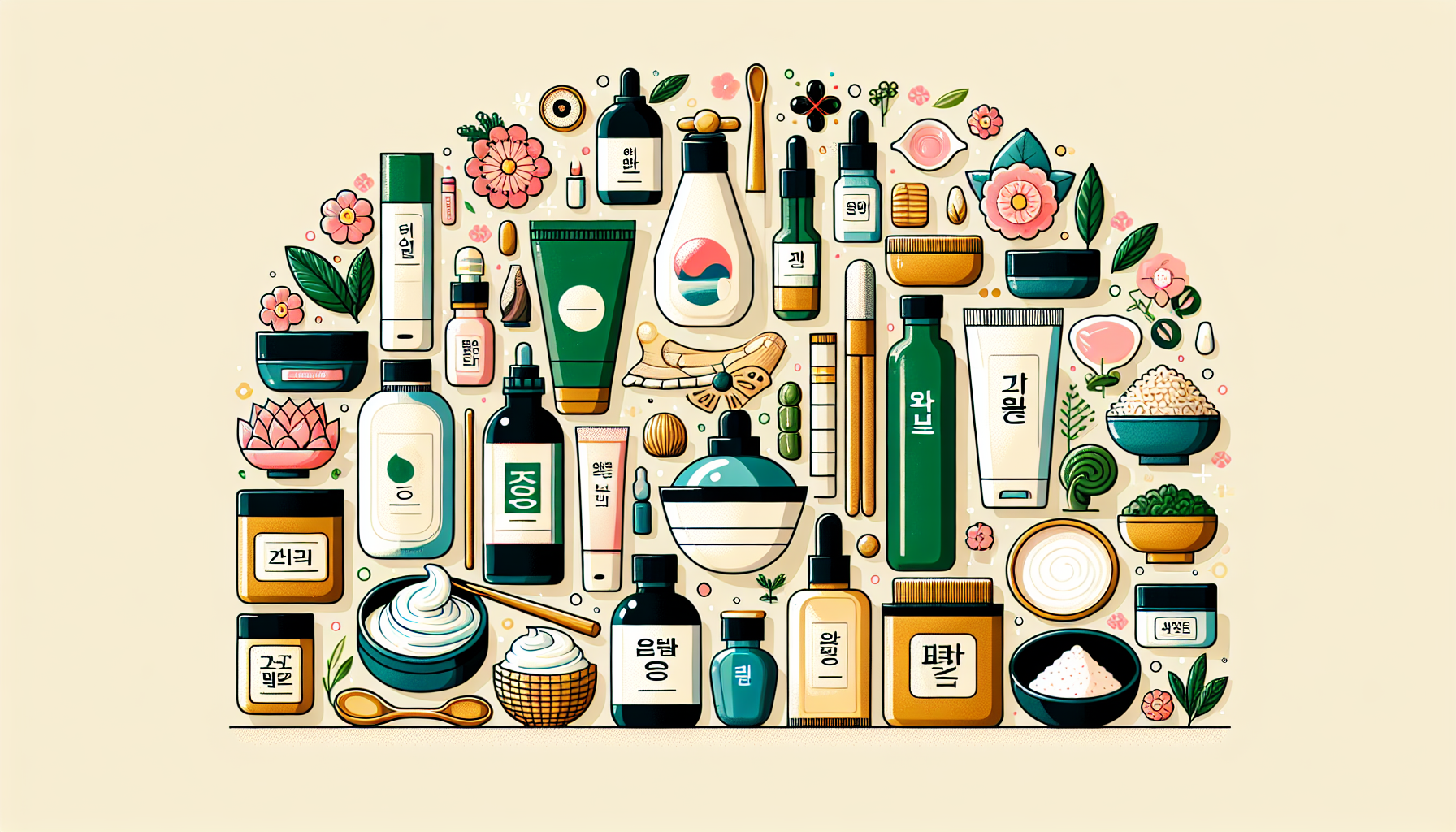
The Ultimate Guide to Korean Skincare Secrets
Understanding the Korean Skincare Philosophy
The Korean skincare routine is a comprehensive approach that revolves around the idea of achieving healthy, radiant skin through hydration, nourishment, and protection. Unlike many Western skincare routines that focus on merely addressing skincare issues, the Korean philosophy prioritizes prevention and maintenance. This holistic view emphasizes the importance of a well-rounded lifestyle that includes a balanced diet, proper hydration, adequate sleep, and mental well-being—factors that influence skin health profoundly.
The 10-Step Korean Skincare Routine
One of the hallmarks of Korean skincare is the infamous 10-step routine. Each step serves a specific purpose that collectively contributes to overall skin health and appearance.
-
Oil Cleanser: The first step is to use an oil-based cleanser to dissolve and remove makeup, sunscreen, and excess oils from the skin. Emulsifying cleansers work best here, as they help break down stubborn products without stripping your skin of its natural oils.
-
Water-Based Cleanser: Follow up with a gentle foam or gel water-based cleanser to remove any remaining impurities. This double cleansing method ensures your skin is completely clean and prepped to absorb the following products better.
-
Exfoliation: While not necessarily daily, exfoliation is vital to eliminate dead skin cells and unclog pores. Korean skincare often favors chemical exfoliants, such as AHAs and BHAs, which provide gentle, effective results without the harshness of physical scrubs.
-
Toner: Toners in Korean skincare aren’t just for balancing the pH of your skin; they prepare your skin to absorb the subsequent treatments. Look for hydrating toners with ingredients like rose water, hyaluronic acid, or green tea.
-
Essence: An essence is a lightweight, water-like product designed to deliver essential nutrients and boost hydration levels. Essences often contain fermented ingredients or botanical extracts for added skin benefits.
-
Serum: Serums are more concentrated than essences and target specific skin concerns like pigmentation, fine lines, and dullness. Ingredients like vitamin C for brightening or niacinamide for pore reduction are common.
-
Sheet Masks: Sheet masks are a fun and effective way to deliver concentrated treatment directly to the skin. They are soaked in a serum and can be used several times a week depending on your skin’s needs.
-
Eye Cream: The delicate nature of the under-eye area demands a dedicated eye cream to combat dark circles, puffiness, and fine lines. Select a lightweight gel for daytime and a richer cream for nighttime.
-
Moisturizer: A good moisturizer locks in hydration and creates a protective barrier on the skin. Choose a product suitable for your skin type—light lotions for oily skin and cream-based formulas for dry skin.
-
Sunscreen: The final step of any skincare routine, sunscreen is crucial for protecting the skin from UV damage. In Korea, SPF is considered a non-negotiable part of daily skincare, regardless of the weather.
Key Ingredients in Korean Skincare
Korean skincare is renowned for its unique and innovative ingredients that harbor exceptional benefits for the skin.
-
Hyaluronic Acid: Known for its incredible ability to retain moisture, hyaluronic acid is a must-have for keeping skin plump and hydrated.
-
Centella Asiatica: Often found in calming products, this powerful herb soothes irritation and promotes healing, making it ideal for sensitive and acne-prone skin.
-
Snail Mucin: This star ingredient is packed with nutrients and biological components that encourage healing, collagen production, and hydration. It’s famously known for enhancing skin texture and elasticity.
-
Fermented Ingredients: Ingredients like fermented rice, soy, and yeast are believed to improve skin cell turnover and boost absorption of nutrients, leading to a healthier complexion.
-
Green Tea: Renowned for its antioxidant properties, green tea soothes inflammation and fights free radical damage, making it perfect for those with reactive skin.
-
Propolis: A natural by-product from bees, propolis possesses antibacterial and anti-inflammatory properties, making it a popular ingredient for acne treatments and revitalizing serums.
Customizing Your Skincare Routine
Adapting the Korean skincare routine to fit your individual skin type and concerns is crucial for maximizing its benefits.
-
For Oily Skin: Stick to lightweight, gel-based products. Incorporate ingredients like salicylic acid and niacinamide to control oil production and improve skin texture.
-
For Dry Skin: Focus on intensive hydration. Opt for thicker creams and oils, and look for humectants such as glycerin and squalane.
-
For Combination Skin: Use different products for different sections of your face. Lighter, gel-based creams can be used in oilier areas, while richer creams are best for dry patches.
-
For Sensitive Skin: Avoid products with strong fragrances or alcohol. Look for soothing ingredients like aloe vera and centella asiatica to calm irritation.
Korean Skincare Myths Debunked
-
You have to follow all 10 steps: While the 10-step routine is popular, it’s not mandatory. Personalize your routine to what your skin needs.
-
Korean skincare is only for women: Korean skincare targets all genders and skin types. There are plenty of products designed specifically with men’s grooming needs in mind.
-
Korean products always contain unique ingredients: While there are standout ingredients in Korean formulations, many popular skincare compounds are also found in Western products.
-
You need to spend a fortune: While some high-end brands exist, numerous affordable options provide excellent results.
Navigating Korean Skincare Brands
Several brands have gained immense popularity beyond Korea. Here are some must-try brands:
advertisement

-
Innisfree: Known for utilizing natural ingredients from Jeju Island, Innisfree offers a wide range of products focusing on eco-friendliness and sustainability.
-
COSRX: A cult favorite for its effective formulations. COSRX prioritizes practical ingredients targeted at specific skin concerns, making it an ideal choice for acne-prone skin.
-
Laneige: Specializes in hydration-focused products, particularly the Water Bank line and Water Sleeping Mask, which are loved for their hydrating properties.
-
Etude House: A playful and colorful brand known for its affordable price range, making it beginner-friendly and accessible.
-
Missha: Recognized for its advanced formulations. Missha’s Time Revolution Essence is a cult favorite, delivering intense hydration and skin barrier support.
Cultural Practices Affecting Skin Health
Korean culture places a strong emphasis on beauty rituals and self-care practices that contribute to overall skin health.
-
Diet: A diet rich in vitamins and antioxidants found in vegetables, fruits, and seafood significantly impacts skin health. Foods like kimchi, rich in vitamins and probiotics, can promote gut health, which reflects on skin condition.
-
Hydration: Drinking ample water throughout the day not only supports hydration levels but also helps in skin detoxification.
-
Regular Exercise: Physical activity encourages blood circulation, promoting healthy skin and the natural glow everyone desires.
-
Adequate Sleep: The concept of beauty sleep holds water in Korean culture; prioritizing sufficient rest aids in skin repair and regeneration.
-
Mindfulness and Stress Management: Mental health and skin health are interlinked. Incorporating practices like meditation, proper work-life balance, and relaxation can mitigate stress-induced skin issues.
Sustainable and Innovative Trends in Korean Skincare
Korean skincare is at the forefront of sustainable beauty trends. Brands increasingly focus on eco-friendly packaging and organic formulas that align with a growing consciousness toward protecting the planet.
-
Minimalist Formulations: Recent movements in skincare advocate for ‘less is more.’ The trend encourages using fewer but high-quality products with multi-functional benefits.
-
Clean Beauty: An increasing number of brands are embracing clean formulations devoid of harmful ingredients. These products are often cruelty-free, gluten-free, and environmentally sustainable.
-
Biodegradable Packaging: Brands are investing in biodegradable, recyclable packaging to minimize environmental harm, appealing to environmentally conscious consumers.
-
Personalized Skincare: Custom skincare systems are on the rise, allowing users to create tailored skincare solutions that cater to their distinct needs and concerns through quizzes and individualized recommendations.
Final Notes on Embracing the K-Beauty Journey
Adopting a Korean skincare routine can seem daunting due to its thoroughness, but the journey offers the promise of greater skin health and radiance. Consistency is key—achieving desired results takes time, patience, and commitment to your routine. As you explore the world of Korean skincare, remember that the best approach is one that resonates with you personally, combining effective techniques with enjoyable rituals. Each individual’s skin is unique, and nurturing that uniqueness is what unlocks your skin’s full potential.
advertisement