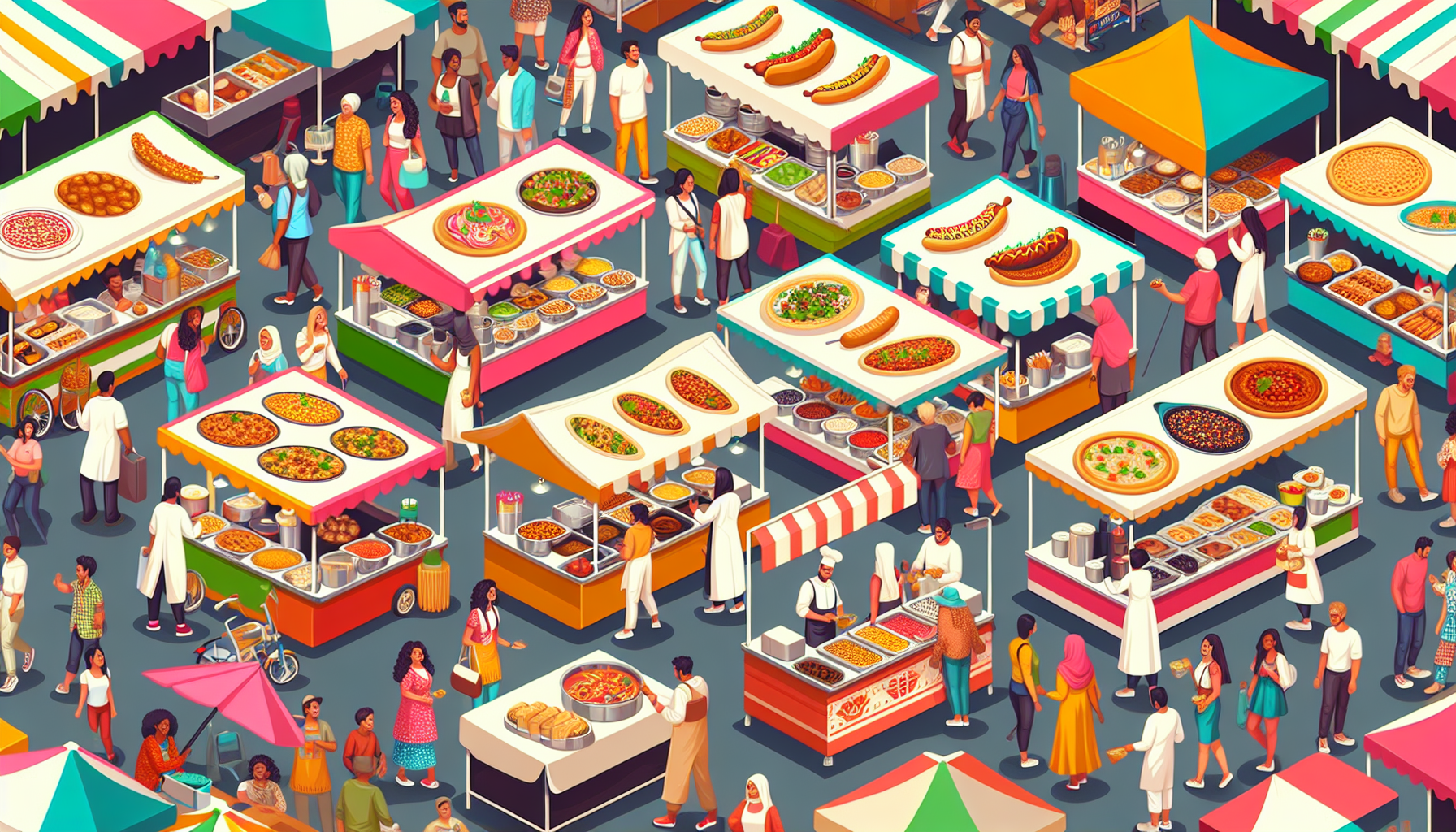
Ultimate Guide to Street Food Around the World
What is Street Food?
Street food refers to inexpensive, ready-to-eat dishes sold by vendors or hawkers at public places such as streets, markets, or festivals. The appeal of street food lies not only in its affordability but also in the authenticity and diversity of flavors it offers, reflecting the rich culinary culture of various regions.
Why Street Food?
- Accessibility: Street food is widely available across urban areas, making it easy for locals and tourists alike to experience the flavors of a region.
- Cultural Experience: Eating street food is a cultural experience, as it allows you to taste traditional dishes made using time-honored recipes and local ingredients.
- Variety: The range of options available can be enormous—from spicy to sweet, savory to vegetarian—catering to various tastes and dietary restrictions.
- Community Vibe: Street food often brings together neighborhoods, creating a vibrant atmosphere where people can socialize over food.
Popular Street Foods by Region
Asia
Thailand: Pad Thai
Pad Thai is perhaps the most recognized street food globally, consisting of stir-fried rice noodles with eggs, tofu, shrimp, or chicken, typically garnished with peanuts, lime, and bean sprouts. Street vendors serve piping hot Pad Thai on nearly every corner, and the dish reflects the balance of sweet, salty, and tangy flavors characteristic of Thai cuisine.
India: Chaat
Chaat refers to a variety of savory snacks often sold at roadside stalls. It can consist of ingredients like boiled potatoes, chickpeas, yogurt, and a blend of spices, topped with tamarind chutney. Variants include Aloo Tikki Chaat and Bhel Puri and are beloved for their explosion of flavors and textures.
Japan: Takoyaki
Takoyaki are batter-fried balls filled with minced or diced octopus, tempura scraps, pickled ginger, and green onions, topped with takoyaki sauce and bonito flakes. Popular in Osaka, these are often sold from specialized carts and are an essential part of Japanese street food culture.
Europe
Spain: Tapas
While tapas can refer to anything served as small portions, street vendors often serve popular choices like Spanish omelet (Tortilla Española) or patatas bravas—fried potatoes served with spicy sauce. Sampling multiple tapas from different vendors is a common practice, promoting a social dining experience.
advertisement

Italy: Arancini
These fried rice balls are typically filled with ragù, mozzarella cheese, or peas, providing a flavorful, portable meal. Arancini are beloved by locals and tourists alike, often served at festivals or outdoor markets, adding to the charm of Italian street food.
France: Crêpes
Crêpes are thin pancakes that can be filled with sweet or savory fillings. Street vendors often serve them with Nutella, strawberries, or classic ham and cheese, making crêpes a versatile treat to enjoy on-the-go.
North America
Mexico: Tacos
Tacos in Mexico can range from simple to extravagant. Street vendors often serve soft corn tortillas filled with various meats, topped with onions, cilantro, and salsa. Specifically, al pastor tacos, made with marinated pork, are a must-try, representing Mexican culinary heritage.
USA: Hot Dogs
The all-American hot dog is a staple of street food culture. Often served in a bun with a plethora of condiments available, the hot dog trucks offer a quick meal capturing the spirit of urban life across the United States.
Canada: Poutine
Poutine, consisting of French fries topped with cheese curds and gravy, originated in Quebec and quickly found its way into street food hearts across Canada. Vendors serve this dish as a hearty comfort food option, often adding toppings like pulled pork or bacon.
South America
Brazil: Pão de Queijo
These cheese bread balls are a popular snacks in Brazil, made from tapioca flour and cheese, offering a gluten-free option that’s chewy on the inside with a crispy exterior. Street vendors serve them freshly baked, keeping the delicious aroma wafting through the air.
Peru: Ceviche
Peruvian ceviche, made from raw fish marinated in citrus juices, is not just a delicacy in restaurants but also a beloved street food. Street vendors often serve it with sides of sweet potatoes and corn for a refreshing and flavorful dish.
Africa
Morocco: Tagine
Street vendors often sell mini-versions of tagine, a slow-cooked stew named after the cooking vessel. Common ingredients include chicken with preserved lemons or lamb with apricots, capturing the aromatic spices that define Moroccan cuisine.
South Africa: Bunny Chow
Bunny chow consists of a hollowed-out loaf of bread filled with curry, originating from Durban’s Indian community. Vendors serve this dish for takeaway, making it a popular street food choice that combines Indian and South African flavors.
Middle East
Lebanon: Falafel
Falafels are deep-fried balls made from ground chickpeas or fava beans, often served in pita bread with sauces and toppings like tahini and pickled vegetables. Street vendors across Lebanon promise a fulfilling and flavorful vegetarian option.
Turkey: Simit
Simit is a circular bread encrusted with sesame seeds, often sold from carts and enjoyed as a snack with cheese and olives. This simple yet delicious bread represents the Turkish street food scene, creating an everyday culinary staple.
Tips for Enjoying Street Food Safely
-
Observe Vendor Hygiene: Choose vendors who appear to maintain cleanliness. Look for busy spots, as high turnover generally indicates fresher food.
-
Watch Cooking Methods: Opt for vendors who cook food fresh in front of you, indicating that it hasn’t been sitting out for long periods.
-
Start with Popular Dishes: Choose popular items that seem in demand, as they are likely to be better curated and fresher.
-
Go Early or Late: For the best selection, visit food stalls during peak hours or just after busy periods when ingredients are fresh.
-
Stay Hydrated: Enjoying street food can be adventurous, but hydrate adequately, especially in hot weather or unfamiliar environments.
Conclusion
Whether in a bustling Bangkok market or a quiet coastal town in Mexico, street food offers a lens into local culture, culinary traditions, and the daily lives of people. Each bite tells a story shaped by history, agricultural practices, and cultural exchanges, inviting you on a flavor journey that studios formal dining cannot replicate. Exploring street food is a passport to experiencing the essence of culinary diversity from around the globe. While this guide highlights only a fraction of the vast world of street foods, it’s an excellent starting point for your gastronomical adventures. Each city, town, and vendor has its unique spin on street food, promising that you’ll never run out of options or experiences.
advertisement