The Rise of Influencer Culture in Modern Celebrity
The Evolution of Celebrity
The concept of celebrity has transformed dramatically over the decades. In the early 20th century, fame was largely confined to the realms of film, music, and politics, with figures like Marilyn Monroe and Elvis Presley setting the tone for what it meant to be a celebrity. The mid-20th century saw the advent of television, which expanded the reach of fame, allowing celebrities to connect with audiences on a more personal level. Fast forward to the 21st century, where the internet and social media have revolutionized the landscape of celebrity, giving rise to influencers—individuals who leverage their online presence to cultivate personal brands and engage with millions of followers.
Defining Influencer Culture
Influencer culture can be described as the ecosystem in which individuals create, share, and monetize content across various social media platforms. Unlike traditional celebrities who usually gain fame through scripted mediums, influencers build their credibility through authenticity, relatability, and direct engagement with their audience. They often focus on niches—beauty, fitness, photography, gaming, travel, and lifestyle—crafting a highly curated persona that resonates with their followers.
According to the Global Web Index, 54% of internet users trust influencers more than traditional celebrities. This phenomenon is rooted in the perception that influencers, often seen as ‘everyday people,’ are more relatable and trustworthy, leading to a significant shift in marketing strategies and consumer behavior.
The Role of Social Media Platforms
Social media platforms such as Instagram, YouTube, TikTok, and Snapchat have played a critical role in fostering influencer culture. Each platform has unique features that influence how content is created and consumed:
-
Instagram: Initially focused on photo-sharing, Instagram has emerged as a premier platform for influencers. The introduction of Stories and IGTV has allowed for more dynamic content, enabling influencers to engage with their audience in real time. Influencers use Instagram to showcase their lifestyles, promote products, and connect with brands in ways that feel organic and authentic.
-
YouTube: As the first platform to popularize video content, YouTube allows influencers to create longer-form content that adds depth to their personal brand. Vlogs, tutorials, and unboxing videos offer viewers a glimpse into the influencers’ lives, contributing to the intimate connect that viewers seek from their online idols.
-
TikTok: The rapid rise of TikTok has created a new wave of influencers known as micro-influencers, who often have highly engaged and niche audiences. This platform thrives on trends, challenges, and short, impactful videos, allowing influencers to gain fame overnight while engaging a primarily younger audience.
Marketing Dynamics Shaped by Influencer Culture
The meteoric rise of influencer culture has profoundly changed marketing dynamics. Traditional advertising methods, such as TV commercials and print ads, are increasingly being overshadowed by influencer partnerships. According to a report by Influencer Marketing Hub, businesses are making $5.78 for every dollar spent on influencer marketing, showcasing its effectiveness.
advertisement

Authentic Engagement and Transparency
Influencer marketing thrives on authentic engagement. Followers are more likely to trust product recommendations from their favorite influencer rather than from a traditional advertisement. This results in higher engagement rates and conversion rates. However, the rise in influencer marketing has also prompted discussions around transparency and authenticity in sponsorships. The Federal Trade Commission (FTC) has laid out guidelines to ensure influencers disclose paid partnerships, ensuring followers are aware when content is sponsored.
The Power of Micro and Nano Influencers
Micro and nano influencers—those with followings ranging from 1,000 to 100,000—have gained traction for their affordability and higher engagement rates. Brands are increasingly turning to these influencers, as they tend to have tighter-knit communities and can generate a more authentic connection. Micro influencers also often focus on specific niches, offering brands access to targeted audiences better than large influencers might.
The Intersection of Fame and Authenticity
One of the contradictory aspects of influencer culture is its emphasis on authenticity in an environment that is often curated and filtered. As influencers craft their online personas, they walk a fine line between authenticity and performance. This dynamic leads to phenomena such as “Instagram vs. Reality,” where influencers showcase the perceived glamour and perfection of their lives, often contrasting it with more relatable, unedited content.
The Controversies and Challenges
Despite its appeal, influencer culture is fraught with challenges and controversies. Issues such as burnout, mental health struggles, and the pressure to constantly produce content can be overwhelming for influencers. Additionally, the constant scrutiny from followers and the public can lead to an unhealthy cycle of comparison, not only for influencers but also for their followers.
Cancel Culture and Accountability
With fame comes scrutiny, and influencers are not exempt from public backlash. The unsparing nature of cancel culture means that influencers must navigate their actions and statements carefully. Instances of past offensive comments or problematic behavior can resurface at any time, leading to brand partnerships being severed and a loss of credibility.
The Future of Influencer Culture
Looking forward, influencer culture is likely to continue evolving. Several trends are emerging that will shape the future landscape:
The Rise of Virtual Influencers
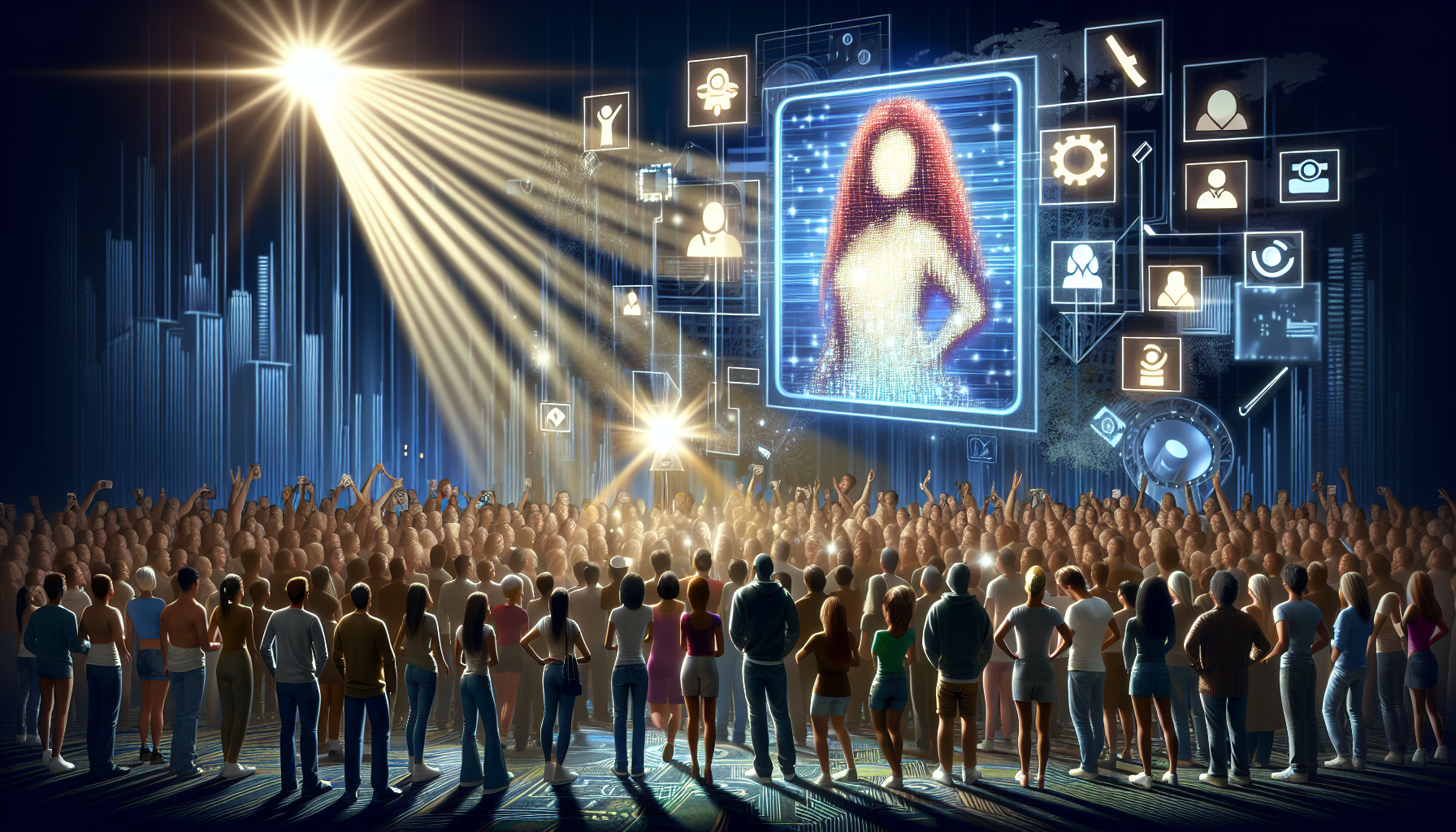
Virtual influencers, like Lil Miquela, have begun to carve out their niche in the influencer space. These computer-generated characters blur the lines between reality and fiction, raising questions about authenticity and representation. Brands have embraced virtual influencers for their flawless image and control over branding.
The Integration of AI and Personalization
Artificial Intelligence (AI) is poised to influence the future of influencer marketing, enabling brands to analyze audience insights more deeply and create personalized marketing campaigns. From chatbots interacting with customers to finely tailored advertising strategies, AI could revolutionize the scope of influencer strategies.
Sustainability and Social Responsibility
Influencer culture is becoming increasingly intertwined with social responsibility. As consumers demand more sustainability from brands, influencers who align their messaging with eco-friendly practices are gaining traction. This shift reflects a greater trend toward conscious consumerism, where brand choices are often influenced by lifestyle considerations and societal contributions.
The Global Impact of Influencer Culture
Influencer culture transcends geographical boundaries and is evident worldwide. While it originated primarily in Western markets, countries across Asia, Africa, and Latin America are quickly embracing influencers. In places like Indonesia and the Philippines, social media influencers are becoming powerful opinion leaders, shaping consumer behavior and cultural trends.
Conclusion: The New Age of Celebrity
As influencer culture continues to permeate modern celebrity, it signifies much more than a change in who gains fame. It reflects a fundamental shift in how communities engage, share, and create culture in the digital age. This shift encompasses a blend of authenticity, relatability, and marketing savvy that has recast traditional notions of celebrity in favor of a more interactive, engaging paradigm. As the landscape evolves, both brands and consumers will adapt, navigating the complexities of fame in this new age.
advertisement