Understanding Probiotics
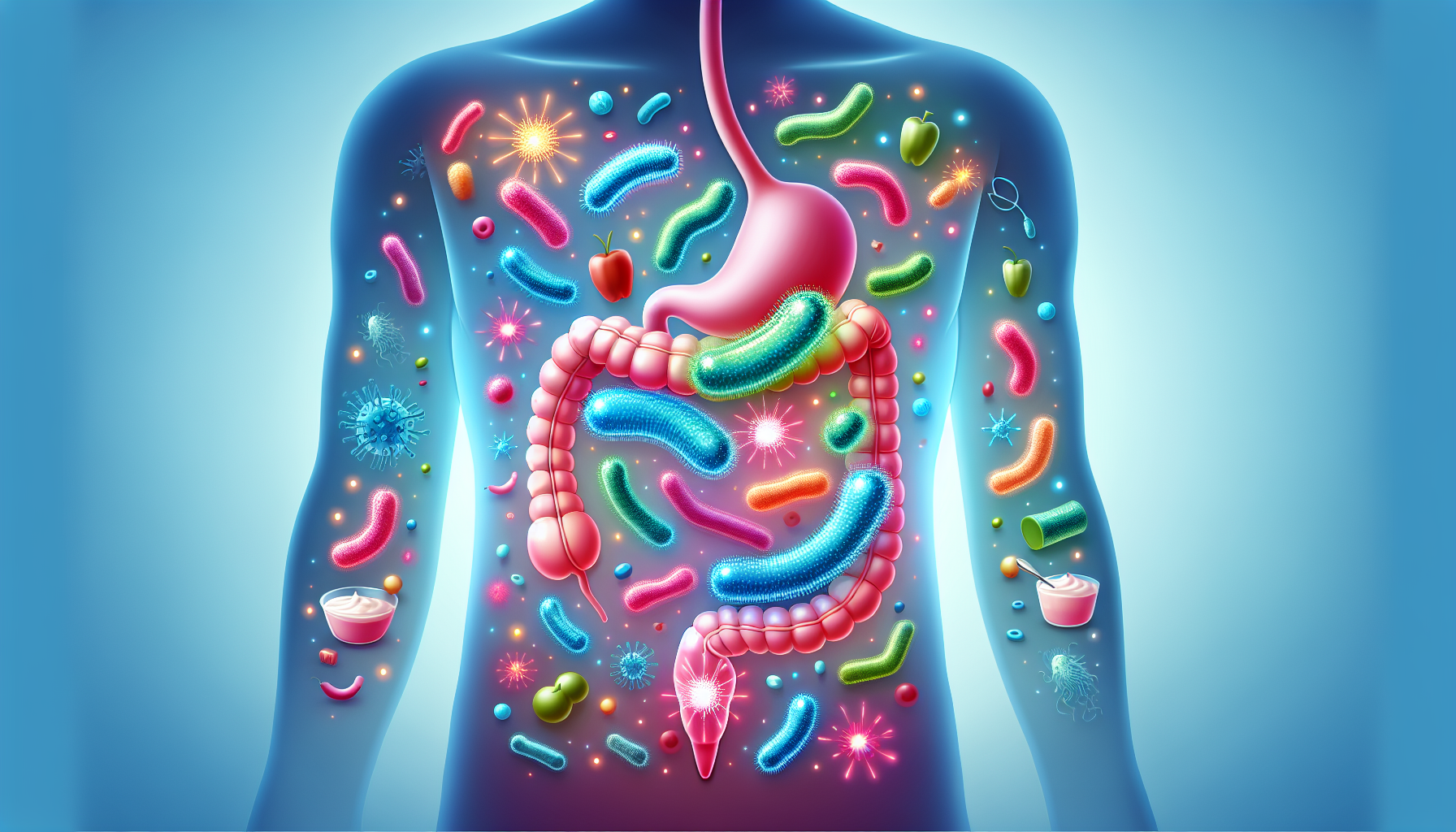
Probiotics are live microorganisms that provide various health benefits when consumed in adequate amounts. They’re commonly found in fermented foods like yogurt, kefir, sauerkraut, and kombucha, as well as in dietary supplements. The most researched strains belong to the genera Lactobacillus and Bifidobacterium. As powerful allies in maintaining gut health, probiotics have gained popularity in recent years, but their benefits extend far beyond mere digestive support.
Gut Microbiome: The Ecosystem Within
The human gut is home to trillions of bacteria that compose the gut microbiome. This diverse community of microorganisms plays critical roles in digestion, metabolism, and immunity. A balanced microbiome supports the body’s health, while an imbalance—often caused by poor diet, antibiotics, and stress—can lead to issues such as gastrointestinal disorders, obesity, and weakened immune function. Probiotics help restore this balance, offering several surprising benefits.
Enhanced Digestion and Nutrient Absorption
One of the most well-known benefits of probiotics is their ability to enhance digestion. Probiotic strains can break down lactose, the sugar found in milk, making dairy products more tolerable for lactose-intolerant individuals. They also assist in fermenting dietary fibers, leading to short-chain fatty acid production. These fatty acids are crucial for gut health, as they provide energy for colon cells and help lower inflammation.
Moreover, probiotics contribute to better nutrient absorption, ensuring that your body effectively utilizes vitamins and minerals from food. For example, certain strains have been shown to improve the absorption of vitamins B and K, which plays a vital role in maintaining overall well-being.
Strengthened Immune Function
The gut microbiome is intricately linked to the immune system, with approximately 70% of immune cells residing in the gut. Probiotics bolster immune function by enhancing the gut barrier and modulating immune responses. They stimulate the production of immunoglobulin A (IgA), an antibody that plays a critical role in mucosal immunity.
advertisement

Studies indicate that regular consumption of probiotics can reduce the frequency and duration of respiratory infections, colds, and even gastrointestinal pathogens like Clostridium difficile. This immunomodulatory effect helps the body better respond to pathogens and reduce inflammation, promoting overall health.
Mood Enhancement and Mental Health
The gut-brain axis is a fascinating area of research that explores the connection between gut health and mental well-being. Probiotics can influence this relationship, potentially easing symptoms of anxiety, depression, and stress. The gut produces neurotransmitters like serotonin, and a balanced microbiome may enhance their production.
Research has linked probiotics to improvements in mood and cognitive function. For instance, specific strains such as Lactobacillus rhamnosus and Bifidobacterium longum have shown promise in reducing anxiety-like behaviors in animal studies. Human trials have also indicated benefits in stress relief and overall emotional stability.
Weight Management and Metabolism Support
Probiotics may play a supportive role in weight management and metabolic health. An imbalanced gut microbiome has been associated with obesity and metabolic disorders. Certain probiotic strains can influence weight by modulating fat storage and energy expenditure.
For example, studies suggest that Lactobacillus gasseri may help decrease body fat and waist size in overweight individuals. It’s believed that probiotics might affect appetite regulation by influencing hormone levels, such as ghrelin and leptin, which are critical in hunger and satiety signals.
Improved Skin Health
Believe it or not, probiotics can benefit your skin’s health as well. The skin and the gut are interconnected, and imbalances in gut bacteria can lead to skin issues such as acne, eczema, and rosacea. Probiotics may help by enhancing the skin’s barrier function and reducing inflammation.
Recent studies have shown that topical applications of probiotics can improve skin hydration and strengthen the skin’s natural barrier. Oral probiotics have also been associated with decreased severity of acne and improved overall skin conditions. By balancing the internal microbiome, probiotics may offer a holistic approach to skincare.
Alleviating Digestive Disorders
For individuals suffering from digestive disorders, probiotics can provide significant relief. Conditions like irritable bowel syndrome (IBS), inflammatory bowel disease (IBD), and ulcerative colitis may be eased with the regular intake of specific probiotic strains.
For instance, Bifidobacterium infantis has been shown to alleviate bloating and abdominal pain in IBS patients. In the case of IBD, probiotics may help maintain remission by modulating the gut inflammatory response and reestablishing a healthy microbiome.
Antimicrobial Properties and Prevention of Infections
Probiotics possess antimicrobial properties that can help prevent infections by outcompeting harmful bacteria for resources and producing substances that inhibit their growth. This action can protect against various gastrointestinal infections, including those caused by pathogenic strains like E. coli and Salmonella.
Additionally, some probiotics have been successful in preventing and treating antibiotic-associated diarrhea. When antibiotics disrupt the natural balance of bacteria in the gut, probiotics can help restore that balance and prevent the overgrowth of pathogenic organisms.
Enhancing Cardiovascular Health
Emerging research suggests that probiotics can benefit cardiovascular health as well. Certain probiotic strains may positively influence cholesterol levels by breaking down bile acids and converting cholesterol into bile, which can ultimately lower LDL (bad cholesterol) levels.
Moreover, probiotics may have a beneficial effect on blood pressure. Some studies indicate that regular consumption may lower systolic and diastolic blood pressure, potentially reducing the risk of cardiovascular disease.
Managing Allergy Symptoms
Probiotics may also play a role in managing allergies and intolerances. Research has shown that introducing probiotics in early childhood can help modulate the immune response and lower the risk of developing allergies, asthma, and food intolerances.
Specific strains, like Lactobacillus rhamnosus and Bifidobacterium bifidum, have been linked to reduced incidence of atopic dermatitis in infants. This protective mechanism seems to stem from their ability to strengthen the immune system and promote a balanced intestinal microbiome, crucial for babies exposed to allergens early in life.
Promoting Urogenital Health
Beyond gastrointestinal benefits, probiotics are beneficial for urogenital health. They help maintain the balance of beneficial bacteria in the urinary tract, reducing the risk of urinary tract infections (UTIs). Lactobacilli are often found in healthy vaginal flora and can help prevent infections such as bacterial vaginosis and yeast infections.
Regular intake of probiotics can help restore healthy flora after antibiotic use or disruptions caused by hormonal changes. This is particularly important for women, as a balanced microbiome plays a critical role in preventing recurrent infections and maintaining overall reproductive health.
Practical Tips for Incorporating Probiotics into Your Diet
-
Consume Fermented Foods: Include foods like yogurt, kefir, sauerkraut, kimchi, and miso in your diet. Look for products that contain live and active cultures to ensure adequate probiotic intake.
-
Choose Quality Supplements: If considering probiotics in supplement form, opt for those backed by research and containing specific strains linked to the health benefits you seek.
-
Diverse Diet: A diet rich in fiber from fruits, vegetables, and whole grains supports the growth of probiotics and enhances the diversity of your microbiome.
-
Stay Consistent: Beneficial effects can take time to manifest, so aim for regular consumption of probiotics—whether through food or supplements.
-
Consult a Professional: If you’re dealing with specific health issues, it’s always best to consult a healthcare provider who can guide you in choosing the right probiotics tailored to your condition.
The Future of Probiotics
The field of probiotic research is evolving rapidly. Advancements in genomics and microbiome studies are unlocking new possibilities for personalized probiotic therapies tailored to individual microbiome profiles. As scientists continue to explore the vast benefits of probiotics, we may discover even more health applications that enhance overall well-being.
Promoting gut health through probiotics, therefore, is not merely about digestion; it’s a holistic approach to improving multifaceted aspects of health.
advertisement