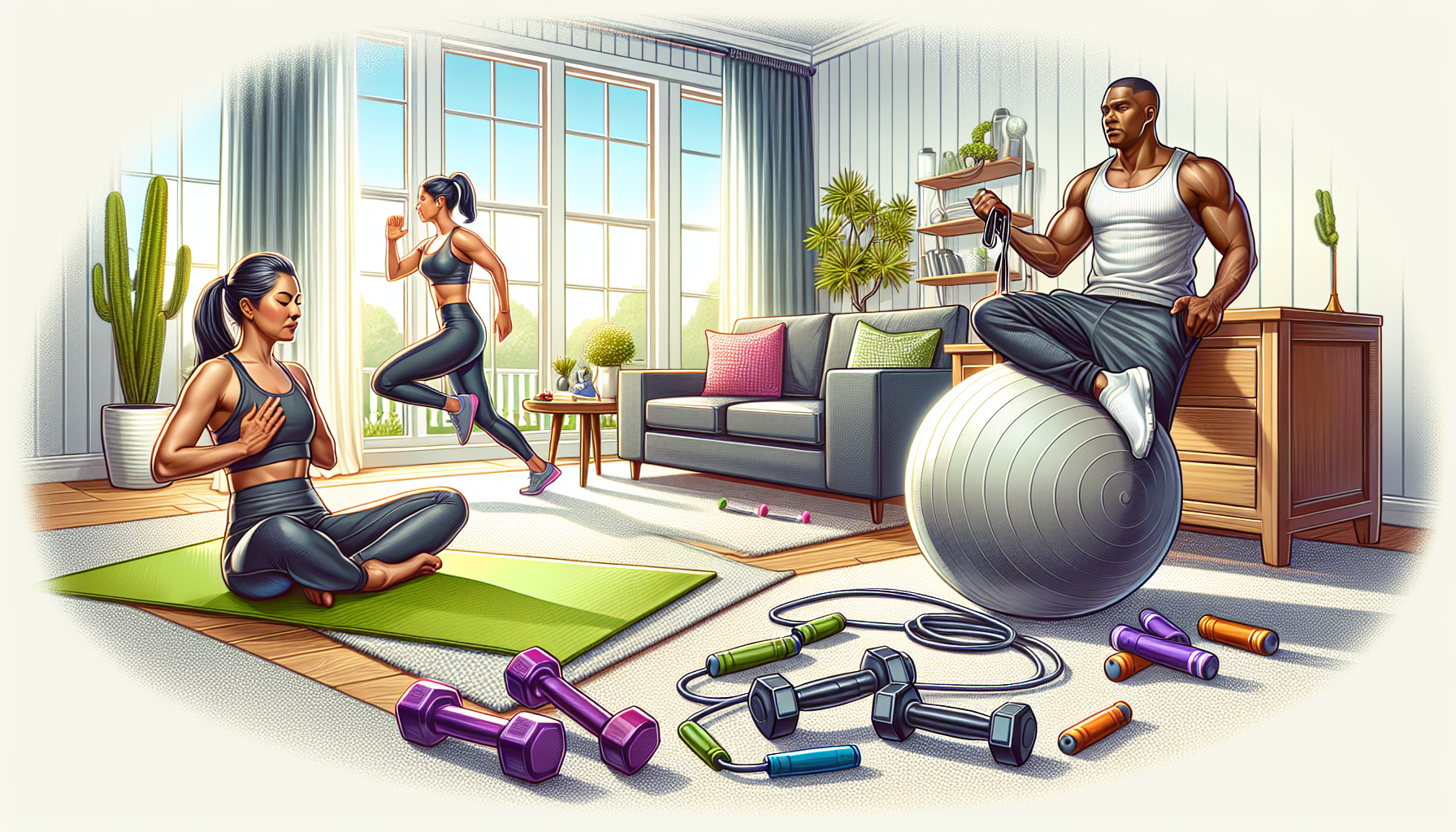
Ultimate Guide to Getting Fit at Home
Understanding Your Fitness Goals
Define Your Objectives
Before embarking on your home fitness journey, it’s crucial to define your objectives. Are you aiming to lose weight, build muscle, increase endurance, or maintain a healthy lifestyle? Clearly articulating your goals will guide your training choices and nutrition plans. Consider the SMART criteria—Specific, Measurable, Achievable, Relevant, and Time-bound—when setting goals.
Assess Your Current Fitness Level
Understanding where you currently stand in terms of fitness will help you tailor your program effectively. Perform a simple fitness assessment that includes measuring your body weight, endurance (e.g., how long can you do a plank?), strength (e.g., max push-ups), and flexibility (e.g., reach in a sit-and-reach test). This will not only help you track progress over time but also motivate you to stay committed.
Creating a Home Workout Space
Choosing the Right Space
Identify a dedicated space in your home that can serve as your workout area. It could be a corner in your living room, basement, or even your backyard. Focus on an area with enough room for movement, ideally away from distractions. Ensure there is sufficient lighting and ventilation, making it a comfortable environment to exercise.
Essential Equipment
While you don’t need a fully equipped gym, having some essential equipment can enhance your workouts. Here are some recommended tools:
- Dumbbells: Versatile for a variety of strength exercises.
- Resistance Bands: Great for strength training, flexibility, and injury rehabilitation.
- Yoga Mat: Essential for floor workouts, stretching, and meditation.
- Kettlebell: Adds variety and intensity to your workouts.
- Stability Ball: Ideal for core workouts and improving balance.
Optional Gear
Depending on your budget and space, consider adding the following:
advertisement

- Jump Rope: Excellent for cardiovascular workouts.
- Foam Roller: Helps with muscle recovery and reducing soreness.
- Pull-Up Bar: Great for upper body strength training.
- Medicine Ball: Useful for dynamic movements and core stability.
Crafting a Balanced Fitness Routine
Types of Workouts
To achieve a well-rounded fitness program at home, incorporate various types of workouts:
1. Strength Training
Engaging in strength training exercises two to three times a week is vital for muscle building and metabolism. Consider bodyweight exercises such as push-ups, squats, lunges, and planks. Gradually increase the weights as you progress.
Sample Strength Workout:
- Push-ups: 3 sets of 10-15 reps
- Squats: 3 sets of 12-15 reps
- Plank: 3 sets of 30-60 seconds
- Lunges: 3 sets of 10-12 reps per leg
2. Cardiovascular Workouts
Cardio exercises elevate heart rate and improve overall cardiovascular health. Aim for 150 minutes of moderate aerobic activity per week. Options include:
- Jumping jacks
- High knees
- Burpees
- Dancing
Sample Cardio Workout:
- 5 minutes of jumping jacks
- 5 minutes of high knees
- 5 minutes of burpees
- 10 minutes of dancing to your favorite tunes
3. Flexibility and Stretching
Incorporate stretching and flexibility exercises to improve your range of motion and reduce injury risk. Include a dedicated flexibility session at least twice a week.
Sample Flexibility Routine:
- Hamstring stretch: 3 sets of 30 seconds
- Quadriceps stretch: 3 sets of 30 seconds
- Shoulder stretch: 3 sets of 30 seconds
- Spinal twist: 3 sets of 30 seconds
Creating a Weekly Schedule
To stay organized, develop a workout schedule that outlines when and what type of exercise you will perform each day. For example:
- Monday: Strength training
- Tuesday: Cardio routine
- Wednesday: Flexibility and core
- Thursday: Strength training
- Friday: Cardio and stretch
- Saturday: Outdoor activity (hiking, biking)
- Sunday: Rest and recovery
Nutrition: Fueling Your Fitness Journey
Understanding Nutrition Basics
Adequate nutrition plays an integral role in achieving fitness goals. A balanced diet should consist of:
- Protein: Essential for muscle repair and growth. Include sources like chicken, fish, eggs, dairy, beans, and nuts.
- Carbohydrates: The body’s primary energy source. Opt for whole grains, fruits, and vegetables.
- Fats: Important for hormone regulation and overall health. Focus on healthy fats from avocados, olive oil, and nuts.
Meal Planning
Plan your meals to ensure you’re fueling your body appropriately for your fitness activities. Use the following tips for effective meal planning:
- Prepare meals in advance to save time.
- Ensure protein is included in every meal.
- Incorporate a variety of colors on your plate with different fruits and vegetables.
Hydration
Staying hydrated is critical during your fitness journey. Aim to drink at least 8-10 glasses of water daily. Consider drinking more if you are sweating heavily during workouts or engaging in intense exercise. Monitor your hydration status by checking the color of your urine—light yellow is ideal.
Monitoring Progress
Tracking Workouts
Keep a journal or use a fitness app to track your workouts and progress. Document exercises, sets, repetitions, and how you feel after each session. This transparency helps to identify patterns and areas needing change or enhancement.
Measuring Progress
Evaluate your progress biweekly or monthly to stay motivated. Check your weight, measurements, or perform fitness assessments to gauge improvements in strength, endurance, and flexibility.
Setting New Goals
As you reach your initial goals, don’t hesitate to set new ones. This goal-setting dynamic will keep you engaged and motivated.
Staying Motivated on Your Fitness Journey
Finding Accountability
Engage a workout partner or join online fitness communities for support and accountability. Share your goals and progress; encouragement from others can greatly enhance your commitment.
Mixing Up Your Routine
Avoid monotony by diversifying your workout routine. Experiment with different types of exercises, or try new online fitness classes with certified instructors. Yoga and HIIT are excellent variations to incorporate.
Celebrate Milestones
Celebrate your achievements, no matter how small. Rewarding yourself for reaching milestones helps maintain motivation. Consider non-food rewards, like new workout gear or a relaxing massage.
Mental Well-Being and Fitness
The Mind-Body Connection
Exercise releases endorphins which are beneficial for mental well-being. Incorporate mindfulness practices in your routine to foster relaxation and enhance motivation. Activities such as yoga and deep breathing can significantly help alleviate stress.
Maintain a Positive Attitude
Foster a positive mindset toward your body and fitness progress. Instead of focusing on what you dislike, embrace the improvements you’re making in health and fitness, leading to a more enjoyable journey overall.
Resources and Tools
Apps and Websites
- MyFitnessPal: Great for tracking food and exercise.
- FitOn: Offers free workout videos across various workout styles.
- Nike Training Club: Features expert-led workouts suited for all levels.
Online Communities
Join social media groups or online forums where you can share challenges, successes, and tips with others on similar fitness journeys.
YouTube Channels
Several fitness experts share free workout routines on platforms like YouTube. Search for channels that resonate with your workout style and preferences.
Incorporate the information provided into your daily routine, and stay consistent in your efforts to achieve your fitness goals. By structuring your exercise, nutrition, and recovery appropriately, you can attain excellent health and fitness while working from the comfort of your home.
advertisement