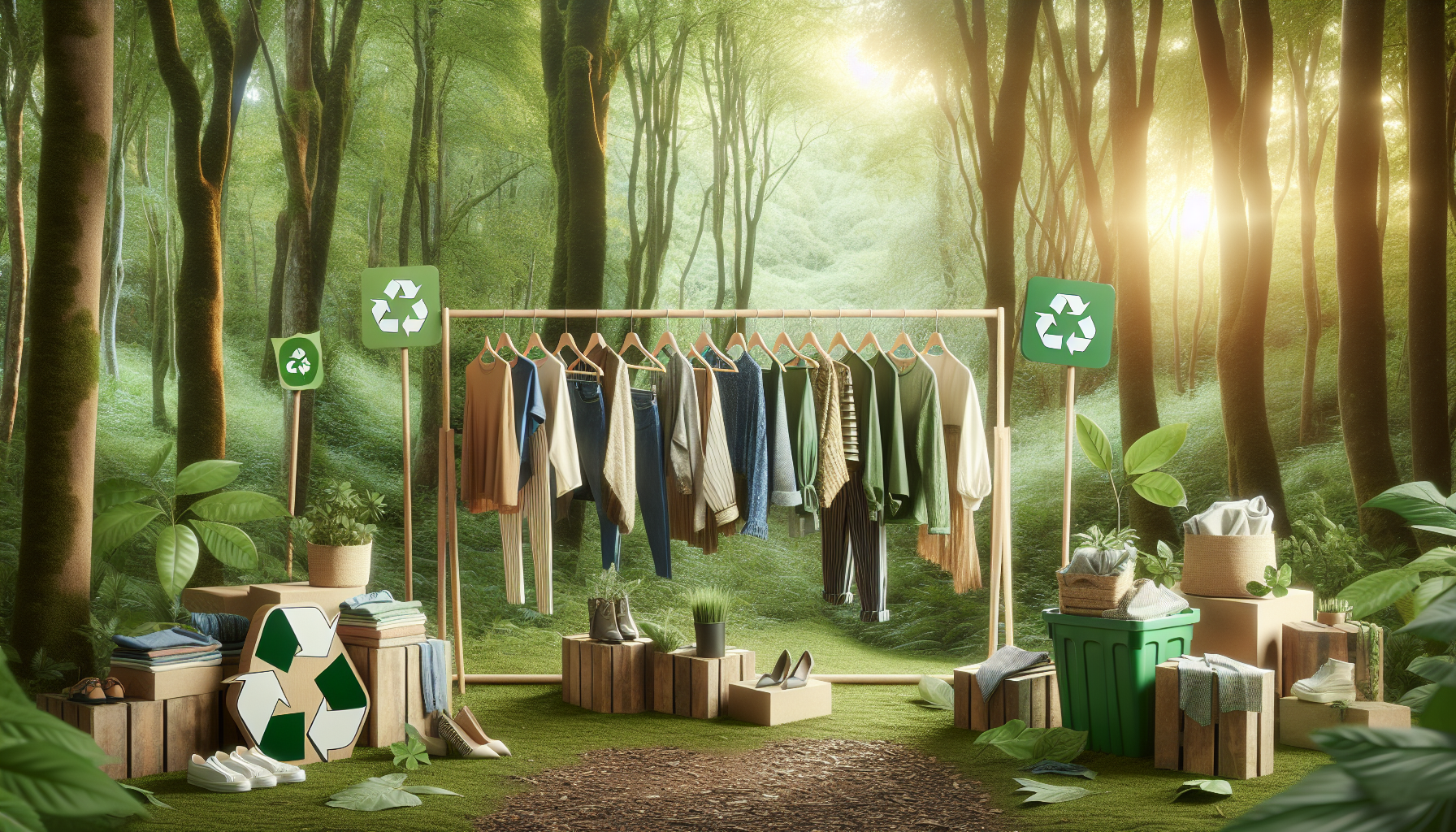
Sustainable Fashion: Eco-Friendly Trends Taking Over
Understanding Sustainable Fashion
Sustainable fashion refers to clothing, shoes, and accessories that are produced, marketed, and used in a way that is environmentally friendly and socially responsible. This concept encompasses a variety of practices aimed at reducing fashion’s impact on the planet and promoting ethical treatment of producers. As consumers become increasingly aware of the negative effects of fast fashion, sustainable fashion is poised to take center stage as a revolutionary trend in the industry.
The Environmental Impact of Fast Fashion
Fast fashion has been criticized for its detrimental effect on the environment. Traditional clothing production methods consume excessive water, contribute to pollution, and generate waste through overproduction. The fashion industry accounts for about 10% of global carbon emissions, and it’s estimated that a truckload of textiles is wasted every second. These alarming statistics have encouraged an urgent shift towards more sustainable practices, paving the way for eco-friendly trends in modern fashion.
Key Trends in Sustainable Fashion
-
Eco-Friendly Materials
-
Organic Cotton: Unlike conventional cotton, which uses pesticides and fertilizers that harm the ecosystem, organic cotton is grown using sustainable farming practices. It requires less water and improves soil health, making it a popular choice for eco-conscious brands.
-
Recycled Fabrics: More brands are utilizing materials made from recycled plastic bottles, old garments, and other waste to create new textiles. Recycled polyester, for example, helps reduce plastic waste while minimizing the need for new raw materials.
-
Innovative Fabrics: Innovations like mushroom leather, biofabricated materials, and TENCEL™ are gaining traction in the fashion industry. TENCEL™, derived from sustainably sourced wood pulp, is known for its breathability and biodegradable nature.
-
-
Slow Fashion Movement
The slow fashion movement promotes the idea of investing in quality over quantity. It encourages consumers to purchase fewer, high-quality items that last longer, reducing the overall demand for new clothing and subsequently the environmental impact. Brands that embody this philosophy focus on timeless designs and classic styles that can be worn across seasons. -
Transparency and Ethical Production
Today’s consumers demand more transparency from brands regarding their supply chains. Ethical production means fair wages, safe working conditions, and a commitment to sustainable practices throughout the manufacturing process. Brands are increasingly disclosing their sourcing methods and labor practices to gain consumer trust and loyalty. -
Secondhand and Vintage Shopping
The rise of secondhand and vintage clothing has made waves in sustainable fashion. Shopping for pre-owned garments not only extends the lifecycle of clothing but also reduces the demand for newly manufactured items. Platforms like ThredUp and Poshmark have made it easier than ever for consumers to buy and sell pre-loved fashion.
The Role of Technology in Sustainable Fashion
Technology plays a pivotal role in the evolution of sustainable fashion. Innovations range from blockchain technology for supply chain transparency to AI algorithms that predict trends and optimize inventory management. These technological advancements aim to minimize waste and promote sustainable practices within the industry.
-
3D Printing: This technology allows designers to create garments with minimal material waste and time. It facilitates customization, ensuring that consumers only purchase what they truly want.
-
Virtual Fashion: With the emergence of virtual fashion shows and digital garments for avatars, consumers can explore fashion without the environmental footprint associated with physical clothing. This presents a unique model for marketing and consumption in a digitized world.
Brands Leading the Charge
Several brands are at the forefront of the sustainable fashion movement. Their innovative practices serve as examples for others in the industry and inspire consumers to make eco-friendlier choices.
-
Patagonia: Known for its commitment to environmental conservation, Patagonia uses recycled materials in its products and encourages customers to repair rather than replace damaged clothing. The brand has successfully integrated sustainable practices into its business model while promoting outdoor ethics.
-
Eileen Fisher: This woman-led brand emphasizes organic materials and transparency in its supply chain. Eileen Fisher has launched programs that encourage customers to return worn garments for recycling, reducing waste in landfills.
-
Reformation: A favorite among millennials, Reformation uses sustainable fabrics, offers carbon footprint information on each product, and has a clear production system focused on eco-friendliness.
Consumer Awareness and Changing Attitudes
As education surrounding environmental issues grows, consumers are more conscious of their purchasing decisions. The shift toward sustainable fashion is a direct reflection of changing values; people are increasingly opting for brands that align with their ethical beliefs and environmental awareness. Social media campaigns and movements led by influencers and activists have further propelled awareness of sustainable practices.
advertisement

The Intersection of Fashion and Sustainability
Fashion shows and trade events are increasingly spotlighting sustainability. Designers are using their platforms to advocate for responsible production methods and to highlight the importance of environmental stewardship in their collections.
-
Fashion Weeks: Events like New York Fashion Week now feature eco-friendly designers and innovative sustainable collections to promote a greener lifestyle. They are platforms for change, helping to normalize sustainability within mainstream fashion.
-
Collaborations: Partnerships between established fashion houses and eco-centric brands have demonstrated the potential for innovation while pushing the boundaries of sustainability. Designer collaborations with ethical brands showcase how luxury can align with eco-friendly practices.
Future of Sustainable Fashion
As sustainable fashion continues to evolve, collaborations and education will play key roles in shaping the industry’s future. Brands must remain flexible, adapting to emerging trends while maintaining their commitment to sustainability. Emerging markets will also bring forth a burgeoning demand for sustainable choices, highlighting the need for accessibility.
Overcoming Challenges in Sustainable Fashion
While the direction toward sustainability is promising, there are challenges that need to be addressed to ensure the future of sustainable fashion:
-
Scalability: Some eco-friendly materials can be more expensive and difficult to source in large quantities, making it challenging for brands to scale their production effectively.
-
Consumer Accessibility: High-quality, sustainable fashion can come with a higher price tag. Brands must work to create affordable options without compromising their commitment to ethical practices.
-
Greenwashing: As sustainability gains momentum, some companies may engage in “greenwashing,” falsely presenting products as environmentally friendly. Consumers need education and resources to navigate these claims effectively.
Final Thoughts on Sustainable Fashion Trends
Sustainable fashion is not just a trend; it represents a systemic shift in the way the fashion industry operates. As awareness grows, both consumers and brands must prioritize sustainability in every aspect of the fashion cycle. By embracing eco-friendly materials, ethical production methods, and transparency, the industry can move toward a more sustainable future.
As the tide of consumer demand continues to favor sustainable practices, the innovation within this space will likely lead to groundbreaking changes that redefine how we perceive and engage with fashion. Through collaboration and commitment, the world can fashion a sustainable future that benefits people and the planet alike.
advertisement