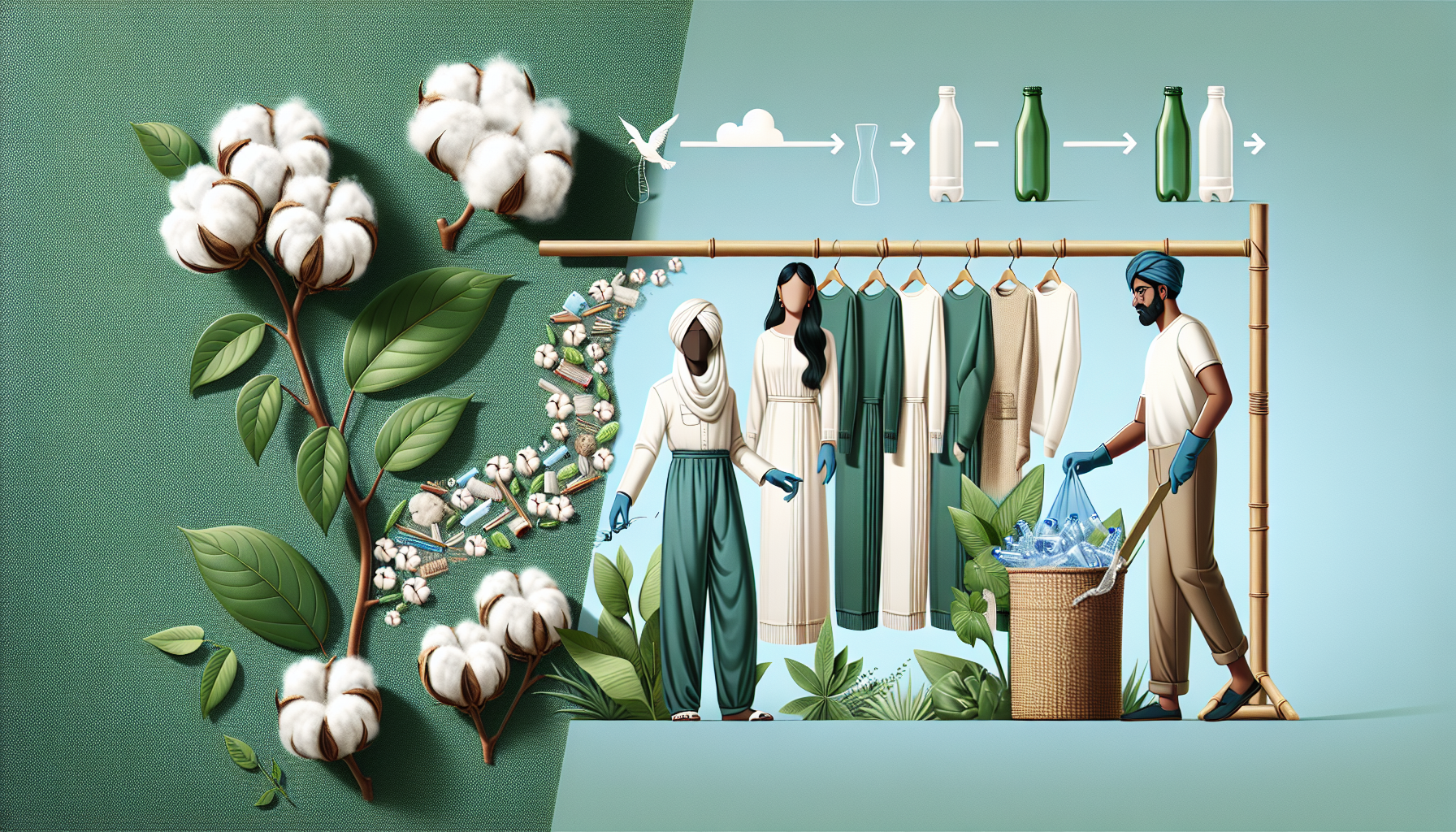
Understanding Sustainable Fashion
Sustainable fashion refers to an approach in the fashion industry that prioritizes environmental protection, social responsibility, and economic viability. This movement encompasses a wide array of practices aimed at reducing the negative impact of clothing production and consumption on the planet. As consumers become more aware of the adverse effects of fast fashion, the industry is responding with a focus on eco-friendly fabrics and sustainable production methods.
The Impact of Fast Fashion
Fast fashion is characterized by the rapid production of high volumes of inexpensive clothing, often at the expense of quality and sustainability. This model encourages overconsumption and contributes to significant waste. Statistics reveal that the fashion industry generates approximately 92 million tons of waste annually, with a significant portion coming from fabric offcuts and unsold inventory. Additionally, the production of synthetic fibers adds to the problem due to their reliance on fossil fuels, which not only depletes natural resources but also contributes to greenhouse gas emissions.
Emphasizing sustainable practices means reevaluating how textiles are sourced, produced, and distributed. Eco-friendly fabrics are crucial in transforming the fashion landscape, allowing brands to align with ethical standards while appealing to the eco-conscious consumer.
What Constitutes Eco-Friendly Fabrics?
Eco-friendly fabrics are those that have a minimal environmental impact throughout their lifecycle—from production to disposal. These textiles can be derived from organic fibers, recycled materials, or innovative alternatives that reduce reliance on non-renewable resources.
1. Organic Cotton
Organic cotton is produced without the use of synthetic pesticides, herbicides, and fertilizers. The cultivation of organic cotton promotes biodiversity and improves soil health. It consumes significantly less water compared to conventional cotton, making it a more sustainable choice. Brands that utilize organic cotton benefit from reduced environmental footprints and cater to a growing market of consumers seeking ethically produced textiles.
advertisement

2. Tencel (Lyocell)
Tencel, or lyocell, is a fiber made from sustainably sourced wood pulp, primarily from eucalyptus trees. The production process uses closed-loop technology, meaning that solvents used in the manufacturing are recycled, minimizing waste and harmful emissions. Tencel is biodegradable, soft, and breathable, making it an ideal alternative to synthetic fabrics. Many modern fashion brands are turning to Tencel for its sustainable properties and luxurious feel.
3. Hemp
Hemp is often regarded as one of the most sustainable fabrics available. It grows rapidly, requires little water, and is naturally resistant to pests, reducing the need for harmful chemicals. Hemp’s long fibers create durable textiles that can be woven into various products. Its biodegradability enhances its appeal as an eco-friendly fabric, making it an excellent choice for sustainable fashion brands.
4. Recycled Polyester
Recycled polyester is produced from post-consumer plastic bottles, offering a way to reduce plastic waste. By repurposing materials that would otherwise end up in landfills, recycled polyester lowers the demand for virgin fossil fuels and decreases overall energy consumption. Products made from recycled polyester include activewear and casual apparel. The use of this fabric demonstrates how the fashion industry can innovate while addressing pressing environmental issues.
5. Piñatex
Piñatex is a non-woven textile made from pineapple leaf fibers, an agricultural byproduct that would typically be discarded. This innovative material serves as a sustainable alternative to leather and is being adopted by various brands in creating accessories and footwear. Piñatex not only utilizes a waste product but also supports the livelihoods of pineapple farmers, marrying sustainability with social responsibility.
Innovations in Sustainable Fabrics
The rise of eco-friendly fabrics has led to a boom in innovation within the field of sustainable textiles. Researchers and designers continuously explore new materials and technologies to produce sustainable options that exceed the performance of conventional fabrics.
1. Algae-based Fabrics
Algae-based textiles represent a revolutionary step towards sustainable fashion. Using algae’s natural properties, designers are creating fabrics that are organic, biodegradable, and produced with lower carbon emissions. The cultivation of algae requires minimal water and does not depend on arable land, addressing food security concerns while providing an alternative to traditional textiles.
2. Mushroom Leather
Mushroom leather, or mycelium leather, is an exciting development in sustainable fashion. This alternative to animal leather is produced from the root structure of mushrooms and requires significantly less water, land, and energy. Brands experimenting with mushroom leather highlight its versatility and resilience, making it an attractive option for fashion pieces.
3. Bio-fabrication
Bio-fabrication is an emerging technology that uses microorganisms to create textiles. Designers can cultivate customized fabrics by manipulating the growth conditions of these organisms, resulting in innovative and sustainable textiles tailored to the specific needs of fashion. This method holds enormous potential for reducing waste and reliance on conventional production methods.
Certification and Transparency
As consumers become more discerning about their purchasing choices, the demand for transparency in the fashion supply chain has surged. Certifications such as Global Organic Textile Standard (GOTS), OEKO-TEX, and the Better Cotton Initiative help consumers identify eco-friendly fabrics and ethically made garments. Brands committed to sustainable practices often showcase these certifications, providing proof of their dedication to environmental and social responsibility.
Transparency in sourcing and production not only builds consumer trust but also allows brands to communicate their sustainability journey effectively. As the eco-conscious movement gains traction, integrating such certifications into marketing strategies can enhance a brand’s credibility and differentiation from fast-fashion counterparts.
The Role of Consumer Awareness
Consumer awareness is a driving force behind the rise of eco-friendly fabrics and sustainable fashion. Social media, documentaries, and advocacy campaigns have underscored the environmental impact of the fashion industry, prompting individuals to rethink their clothing purchases.
Millennials and Gen Z, in particular, demonstrate a preference for brands that prioritize sustainability. These younger consumers are more likely to support companies that align with their values and are willing to pay a premium for ethically produced items. This shift in consumer behavior propels brands to innovate, adapt, and develop eco-friendly products that meet evolving demands.
Challenges Facing Sustainable Fashion
Despite significant progress in the adoption of eco-friendly fabrics, challenges remain. The sustainable fashion industry grapples with the following hurdles:
1. Cost of Sustainable Fabrics
While the demand for eco-friendly fabrics is increasing, the cost of production remains higher than that of conventional fabrics. This price differential can deter brands, especially smaller and emerging labels, from fully committing to sustainability. As technology advances and production processes become more efficient, the hope is that costs will decrease, making sustainable options more accessible.
2. Consumer Education
While awareness is growing, many consumers still lack an understanding of sustainable fabrics and their significance. Education plays a pivotal role in fostering a connection between consumers and sustainable products. Brands must invest in outreach and communication, informing customers about the benefits of eco-friendly textiles and the environmental challenges posed by conventional materials.
3. Supply Chain Complexity
The fashion supply chain is notoriously complex, with numerous stakeholders involved in the production process. Ensuring that every element of the supply chain aligns with sustainability goals can be challenging. Brands must focus on building relationships with suppliers who share their commitment to sustainability and transparency, ensuring that eco-friendly practices are adopted throughout.
The Future of Sustainable Fashion and Eco-Friendly Fabrics
As the sustainable fashion movement continues to gain momentum, the future looks promising for eco-friendly fabrics. Innovations in textile technology and a growing emphasis on responsible consumption will likely shape the industry’s direction. The increasing collaboration between designers, brands, and sustainable fabric producers will foster a creative ecosystem that champions environmental wellness.
As sustainable practices move from niche to mainstream, the transformation of the fashion industry will rely on a collective commitment to sustainability. By prioritizing eco-friendly fabrics and ethical production processes, the fashion industry can make substantive progress towards reducing its environmental footprint, setting the stage for a more sustainable future.
advertisement