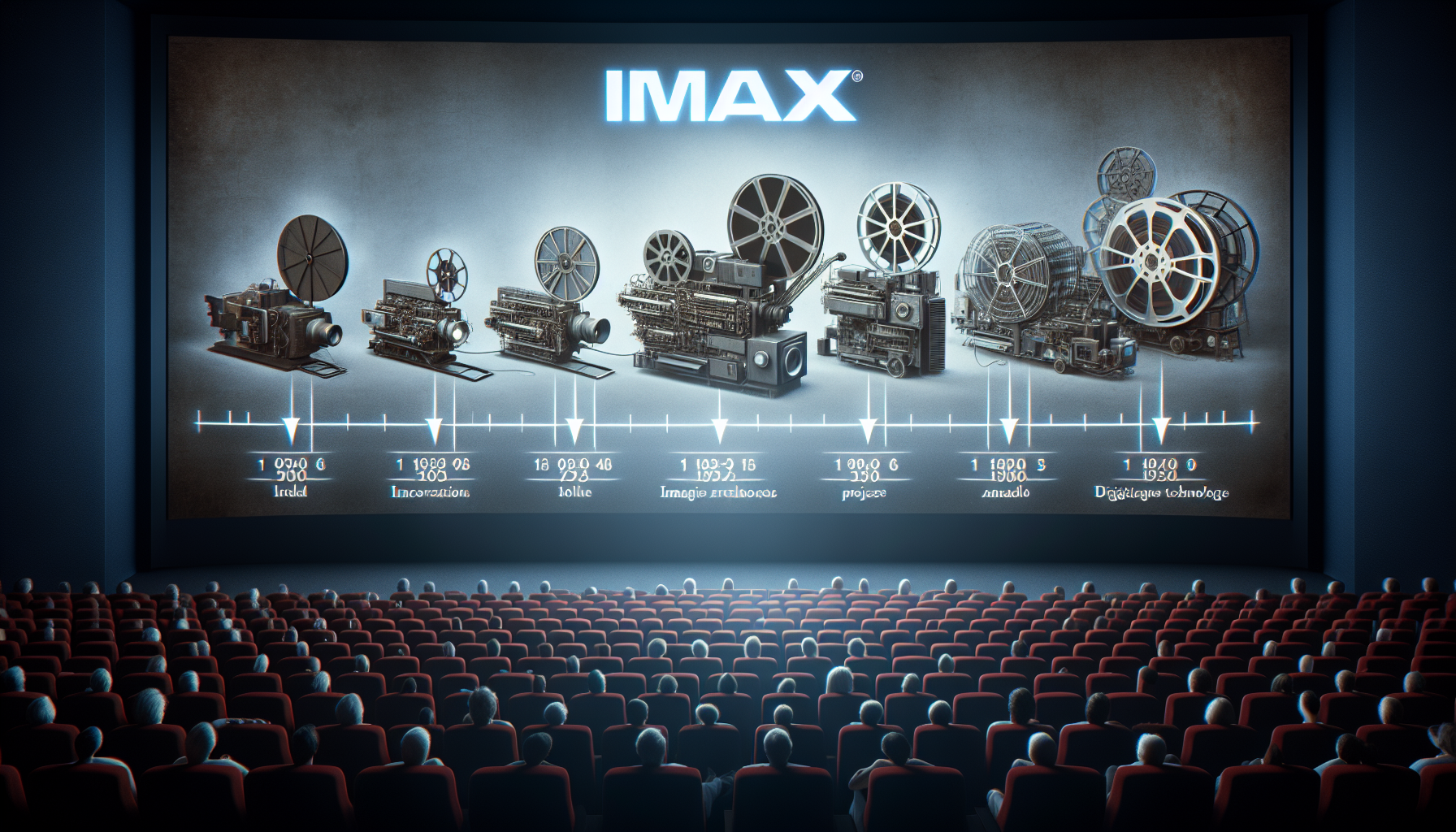
The Evolution of IMAX Technology in Modern Cinema
The Birth of IMAX: Origins and the First Screenings
IMAX (Image Maximum) technology was conceived in the late 1960s by a group of Canadian filmmakers and innovators: Graeme Ferguson, Roman Kroitor, and Robert Kerr. Their vision was to create an immersive viewing experience that expanded the limits of traditional film. The first IMAX film, Tiger Child, was showcased at Expo 67 in Montreal, Canada. This groundbreaking presentation utilized a large dome screen that enveloped the audience, creating a sense of depth and grandeur not previously experienced in cinema.
The early IMAX format used 70mm film, providing a resolution more than ten times greater than standard 35mm films. The format allowed for enhanced detail, vibrant colors, and a broader field of view, making the cinematic experience feel far more immersive.
The Technology Behind IMAX
IMAX employs a combination of advanced projection and audio technology designed to enhance the sensory experience for viewers. IMAX projectors utilize dual 70mm film, projecting images onto massive screens that can exceed 80 feet in width. The dual-projector system allows for increased brightness and clarity, creating a more profound three-dimensional effect, especially essential for IMAX 3D films.
The audio system in IMAX theaters features custom-designed surround sound systems, often incorporating up to 12 channels. This advanced setup allows sound to move flexibly throughout the theater, enhancing the immersive experience. Each IMAX theater is carefully calibrated to ensure optimal sound, allowing viewers to feel as if they are at the center of the action.
Transition from Film to Digital: The Digital Age of IMAX
As technology advanced in the 2000s, a significant shift occurred in the IMAX experience: the transition from traditional film projection to digital formats. In 2008, IMAX began rolling out digital projection systems, which utilized 2K and later 4K resolution projectors. The introduction of IMAX Digital Cinema (IDC) improved accessibility for filmmakers, allowing for faster and more cost-effective productions. The shift preserved the immersive qualities of IMAX while embracing the benefits of digital technology, including enhanced editing and processing capabilities.
advertisement

This digital evolution increased the number of IMAX theaters worldwide, allowing more audiences to experience this revolutionary format. Filmmakers could now create immersive experiences without the logistical challenges and limitations posed by analog film.
The Introduction of IMAX 3D: A Leap Forward in Immersion
IMAX 3D debuted in 1986, but the technology behind it was radically transformed when IMAX combined its digital projection technology with 3D imaging. The experience was characterized by glasses-free viewing: the visuals popped in a way that felt real, drawing audiences deeper into the narrative. The technology uses projection tricks and carefully synchronized image capture to create a three-dimensional appearance that feels natural to viewers.
IMAX 3D films have since become a staple for blockbuster releases. Movies such as Avatar, released in 2009, exemplified the capabilities of IMAX 3D technology. James Cameron’s film leveraged IMAX to enhance visual storytelling, blending CGI and live-action to create breathtaking visuals that captivated audiences worldwide. The film’s success propelled IMAX 3D into the mainstream, leading to a surge in both audience interest and box office returns.
Collaboration with Filmmakers: Shaping the Future of Cinema
One of the hallmarks of IMAX evolution has been its collaboration with prominent filmmakers. Directors such as Christopher Nolan, Quentin Tarantino, and J.J. Abrams have embraced the IMAX format, utilizing its capabilities to enhance storytelling. Christopher Nolan, in particular, has championed IMAX in films like The Dark Knight and Dunkirk, often incorporating IMAX cameras to shoot select sequences for maximum visual impact.
This collaboration has resulted in a growing list of films shot and released in the IMAX format, pushing the boundaries of conventional filmmaking. By working closely with filmmakers, IMAX has maintained its relevance and cultivated a robust link between technology and cinematic artistry.
The Role of Sound in IMAX: Beyond Visuals
While visuals play a crucial role in the IMAX experience, sound is equally important. The proprietary IMAX sound system has evolved with technological advancements, incorporating advanced audio techniques such as object-based sound technology. This innovation allows filmmakers to create a more nuanced auditory experience, with sounds occurring precisely as they would in real life.
The introduction of immersive sound formats, such as Dolby Atmos, into some IMAX theaters has further enhanced auditory experiences, allowing for a more comprehensive surround sound sensation that complements the striking visuals. Audiences are no longer just passive viewers; they are enveloped in what they see and hear.
IMAX and Home Theater Experiences: Expanding Accessibility
The proliferation of home entertainment technologies has not led to the decline of IMAX. Instead, IMAX has adapted by enhancing home viewing options through its certification programs for home theater systems. IMAX Enhanced, launched in partnership with DTS, aims to deliver IMAX quality on personal devices, allowing for an authentic IMAX-like experience in the home.
This expanded accessibility means that audiences can experience elements of IMAX technology beyond traditional theater settings. Developing 4K UHD streams and enhanced audio formats for home platforms presents a new frontier for cinematic experience outside of physical IMAX theaters.
Current Innovations: IMAX Enhanced and Beyond
As cinema continues to evolve, so does the IMAX format. In recent years, there has been a push towards virtual reality (VR) and augmented reality (AR) experiences. While these technologies might not be purely IMAX in nature, they reflect a broader trend within the entertainment industry to create immersive experiences.
IMAX has also explored using hybrid theater models featuring both traditional 2D/3D and VR elements, further engaging audiences through different methods of storytelling. The rise of IMAX VR centers in urban areas, allowing users to immerse themselves fully in virtual environments, indicates how the IMAX brand is evolving in response to technological advancements and audience preferences.
Global Reach: The Impact on International Cinema
IMAX’s evolution has significantly impacted the global cinematic landscape. The technology is no longer limited to Hollywood productions; international filmmakers in regions such as Asia and Europe are exploring IMAX to present their stories. Blockbusters like The Wandering Earth from China have succeeded in the IMAX format, showcasing that the technology transcends regional boundaries for a universal audience.
Furthermore, IMAX continues to invest in theater infrastructure worldwide, ensuring that audiences across varying demographics can experience enhanced cinematic offerings. This global investment impacts box office dynamics, showcasing new storytelling approaches and appealing to a diverse range of viewers.
The Future of IMAX: Sustaining Innovation
As IMAX technology continues to evolve, it will need to adapt to shifting audience preferences and technological advancements. Innovations like AI-driven technologies for visual enhancement and improved sound editing will play a significant role in the future of IMAX cinema.
Moreover, as the film industry faces challenges, such as digital streaming platforms, IMAX remains committed to offering an experience that cannot be replicated at home. The emphasis on high-quality, immersive storytelling will ensure that IMAX retains its position as a leader in cinematic experiences.
In summary, the evolution of IMAX technology throughout cinema history signifies an ongoing commitment to innovation, collaboration, and audience engagement. From its inception with analog film to the present digital offerings and beyond, IMAX continues to define how stories are told and experienced in modern cinema, setting the stage for the future of immersive experiences.
advertisement