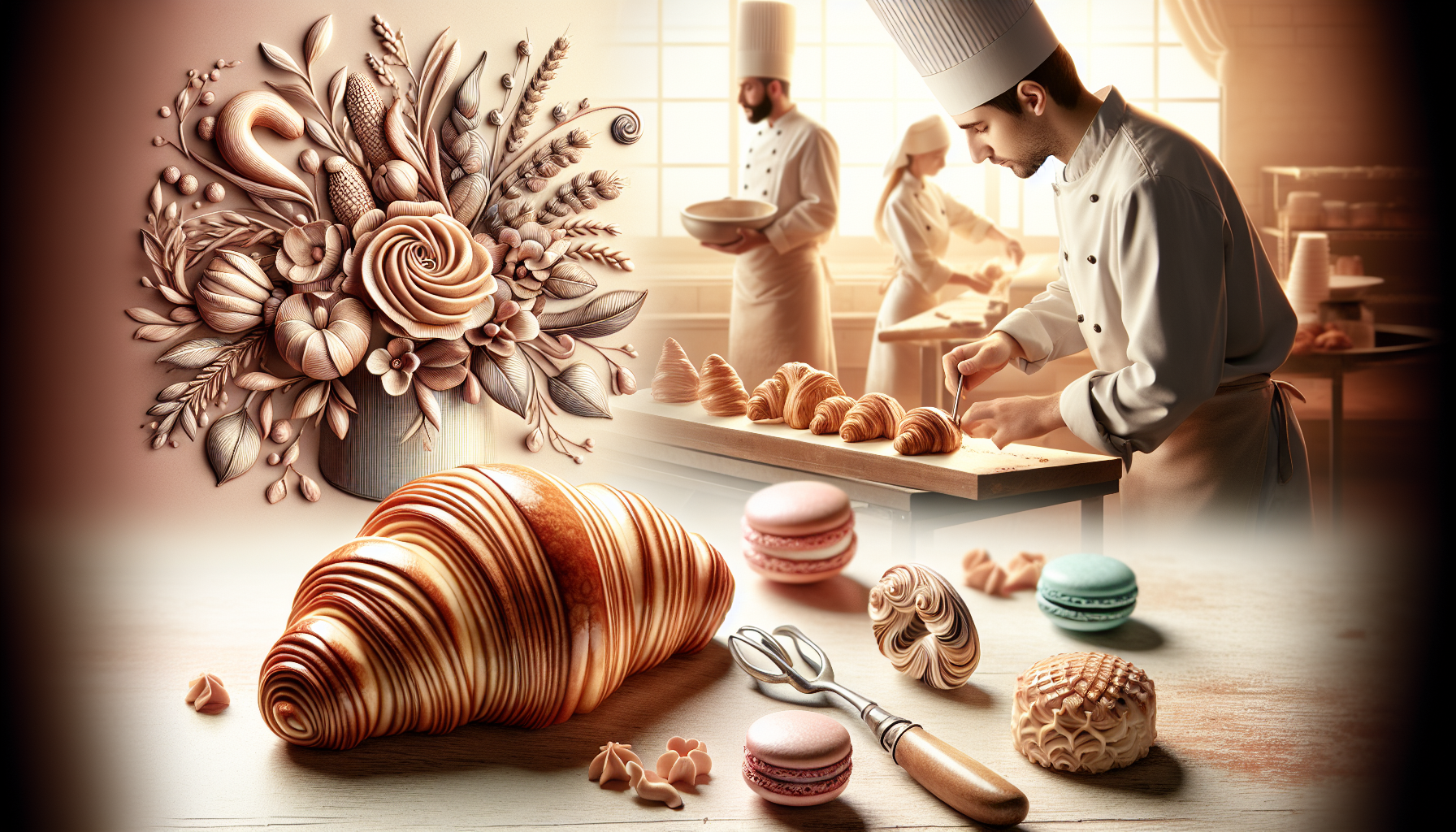
The Art of French Pastry: Techniques and Traditions
A Brief History of French Pastry
The art of French pastry, or “pâtisserie,” has evolved over centuries, rooted deeply in France’s cultural and culinary history. The Renaissance period in the 16th century marked the beginning of sophisticated pastry-making techniques, influenced significantly by Italian chefs who introduced the use of sugar, fruit, and elaborate presentations. By the 17th century, French pastry chefs began establishing their distinct style, suggesting that what we know today as French pastries came into their own.
The 19th century brought about innovations such as puff pastry and choux pastry, evolving traditional recipes that utilized local ingredients to create a diverse pastry repertoire. During this period, landmarks like the patisserie became societal staples in France, where both locals and tourists alike enjoy exquisite desserts.
Essential Techniques for French Pastry
1. Understanding the Fundamental Doughs
French pastry relies heavily on a few key doughs, each with its unique texture and flavor.
-
Pâte Brisée: This shortcrust pastry serves as the base for tarts and quiches. Made from flour, butter, and a touch of cold water, the dough is a balance of crumbly and firm, providing an excellent foundation for various fillings.
-
Pâte Sucrée: This sweet pastry dough is similar to pâte brisée but incorporates sugar and egg. Ideal for sweet tarts, it results in a more tender texture with an added richness.
-
Pâte Feuilletée (Puff Pastry): Mugged by many as difficult, puff pastry relies on its unique lamination technique. Layers of butter and dough create a flaky, airy texture that rises spectacularly when baked.
-
Choux Pastry: Made with water, butter, flour, and eggs, choux pastry puffs up when baked, yielding delightful pastries like éclairs and cream puffs.
2. Mastering the Art of Lamination
The key to success with puff pastry lies in the lamination process—folding and rolling layers of dough and butter in a sequential manner to create thin, flaky sheets.
-
History and Importance: Lamination dates back to at least the Renaissance and is crucial for producing classic pastries like croissants and mille-feuille.
-
Technique: Start with a block of chilled butter (also known as the “beurre” in French) and encase it within the dough. Roll and fold this structure multiple times (usually six to eight folds), allowing the dough to rest between to avoid elasticity.
3. Tempering Techniques for Chocolate
Chocolate tempering is essential for creating shiny, smooth confections like chocolate glazes or bonbons.
advertisement

-
Why It Matters: Tempering stabilizes the cocoa butter crystals, ensuring that chocolate possesses a nice sheen and a satisfying snap when bitten into.
-
Methods: The seed method, adding chunks of solid tempered chocolate to melted chocolate, and the tabling method, where chocolate is poured onto a cool marble slab and worked with a spatula, are both effective.
The Signature Pastries of France
French pastry is characterized by a stunning array of delicacies, each showcasing unique techniques and rich traditions.
1. Macarons
These delicate almond meringue-based cookies often filled with buttercream or ganache are takedown against humidity and baking precision.
-
Flavor Variations: Traditional flavors include pistachio, raspberry, and vanilla, but modern interpretations experiment with matcha or lavender.
-
The Meringue Method: The French method involves beating egg whites into a firm meringue before incorporating almond flour and icing sugar.
2. Éclairs
Long, filled pastries made from choux pastry, éclairs are filled with various custards and topped with a glossy chocolate glaze.
- Filling Variety: Classic fillings include pastry cream flavored with coffee, chocolate, or vanilla, reflecting the versatility of the base.
3. Tartes
Tartes serve as a canvas for showcasing seasonal fruits, custards, and creams.
-
Classic Tarte Tatin: An upside-down caramelized apple tart is a shining example of how simple ingredients can achieve complex flavors.
-
Tarte aux Fruits: Fresh fruits arranged atop pastry cream in a sweet crust present a delightful visual and palate experience.
Cultural Significance
The traditions of French pastry are not just rooted in technique but are interwoven with France’s cultural fabric.
1. Pâtissiers and Their Creations
Pâtissiers—pastry chefs—often undergo rigorous training through apprenticeship programs or culinary schools. They uphold centuries-old techniques while innovating contemporary flavors and presentations. The patisserie (pastry shop) itself acts as a communal space for social interaction, where customers can enjoy dessert with coffee or tea.
2. Pastry Festivals and Competitions
France celebrates its pastry heritage through various festivals and competitions. The prestigious Meilleur Ouvrier de France (Best Craftsman of France) competition challenges chefs to demonstrate their mastery in pastry arts, showcasing meticulous technique and stunning creativity.
Pairing Pastries with Beverages
To enhance the enjoyment of French pastries, pairing them with the right beverages can elevate the culinary experience.
-
Coffee: Classic pairings include éclairs and espresso, amplifying the dessert’s cocoa notes.
-
Wine: Certain pastries, such as fruit tarts, can harmonize beautifully with dessert wines like Sauternes or Moscato, enhancing fruitiness.
The Future of French Pastry
Today, French pastry chefs are embracing global flavors, emphasizing sustainability and incorporating health-conscious ingredients while still focusing on the techniques and traditions that have defined French pastry for centuries.
-
Innovation: Many are experimenting with alternative flours, plant-based ingredients, and sugar-reduced recipes to cater to a more health-conscious clientele.
-
Fusion Pastries: Chefs are also blending international flavors with traditional French techniques, leading to creative hybrids, such as matcha éclairs or black sesame macarons.
Conclusion
French pastry is an intricate dance of technique, tradition, and creativity, intricately connected to France’s cultural history and culinary landscape. From the most delicate macarons to the robust éclairs and elaborate tarts, the art of French pastry continues to evolve while maintaining the classic practices that have defined its legacy. The future promises exciting developments as chefs innovate while remaining rooted in the love for this time-honored craft.
As you embark on your journey into the world of French pastry, remember that practice makes perfect and that each delicate creation reflects a deep-seated passion and respect for craftsmanship and culinary excellence.
advertisement