The Evolution of Online Multiplayer Games
Early Beginnings
The concept of multiplayer gaming can be traced back to the late 1970s and early 1980s. During this period, games were primarily played on local networks. One of the first recognizably multiplayer games was MUD (Multi-User Dungeon), created in 1978 by Roy Trubshaw and further developed by Richard Bartle. MUD laid the groundwork for text-based adventures and introduced players to cooperative gameplay, allowing users to chat and interact with one another in a virtual environment.
Simultaneously, arcade games like Space Invaders and Pac-Man facilitated local multiplayer experiences, wherein players would take turns to compete for high scores. While these games did not allow simultaneous play online, they created a foundation for community interaction and rivalry, essential elements that would later become staples of multiplayer gaming.
The Rise of LAN and Early Online Games
The emergence of Local Area Networks (LANs) in the 1990s marked a significant turning point for multiplayer gaming. Games like Doom and Quake allowed players to connect over local networks, igniting a communal gaming culture. Doom, released in 1993, featured a network play option that enabled players to join a mutual server, facilitating head-to-head matches in a groundbreaking 3D environment. As LAN parties became popular, players gathered in homes or designated spaces with their PCs to engage in extended sessions of competitive gameplay.
Subsequently, the launch of the internet allowed for more extensive multiplayer experiences. The advent of early online services such as CompuServe and AOL provided a platform for games like Neverwinter Nights (1991), a graphical MMORPG that let players navigate a fantasy world, chat with one another, and embark on quests together. This era signaled the transition from local multiplayer to online experiences, capturing the essence of community and collaboration.
The Rise of MMORPGs
The late 1990s and early 2000s heralded the golden age of Massively Multiplayer Online Role-Playing Games (MMORPGs). Titles such as Ultima Online (1997) and EverQuest (1999) defined the genre, introducing expansive worlds where thousands of players could interact simultaneously. Ultima Online featured player-driven economies, skill progression, and events based on player interactions, setting precedents that still hold sway today.
advertisement

EverQuest further refined MMORPG mechanics with a robust quest system, character customization, and cooperative gameplay. The allure of these games lay in their immersive worlds and the capacity for social interaction, leading to lasting friendships and communities, some of which persist to this day.
The Dominance of WoW and its Impact
In 2004, Blizzard Entertainment launched World of Warcraft (WoW), a phenomenon that transformed the landscape of online gaming. WoW’s engaging narrative, memorable characters, and expansive world design attracted millions of players globally. Its achievements in gameplay, combined with frequent content updates and expansions, set new industry standards.
WoW popularized many features now common in MMORPGs, including quests, guilds, and raids. The game fostered a sense of belonging within its player base, encouraging social interactions through in-game chat systems and community events. Additionally, it served as a forerunner for in-game economies, allowing players to trade, craft, and monetize virtual goods.
The success of WoW attracted competitor attention in the market, resulting in numerous MMORPGs attempting to emulate its formula. However, while many demonstrated initial success, few could capture the same extensive audience, underscoring WoW’s unique blend of content, engagement, and community.
The Shift to Free-to-Play Models
As the gaming landscape evolved, the advent of free-to-play (F2P) gaming began to reshape the online multiplayer arena. Games like League of Legends (2009) and Dota 2 (2013) capitalized on this model, providing players with free access to core gameplay while monetizing through cosmetic items and gameplay enhancements.
F2P models democratized access to online gaming, allowing a wider audience to participate. The competitive nature of battle arena games such as League of Legends led to the establishment of the esports scene, culminating in forms of professional, organized competitive gaming that attracted sponsorships and substantial player bases.
Additionally, the rise of mobile gaming further contributed to the evolution of online multiplayer experiences. Titles like Clash of Clans and PUBG Mobile integrated strategic and battle royale elements, proving that quality gameplay could exist beyond traditional console and PC platforms.
Battle Royale Phenomenon
The battle royale genre exploded in popularity during the late 2010s. Games such as Fortnite (2017) and PlayerUnknown’s Battlegrounds (PUBG) established new paradigms for multiplayer competition. These games offered fast-paced, last-player-standing experiences that combined survival elements with shooter mechanics, thus attracting a diverse audience.
What set these games apart was their accessibility and social play. Fortnite, in particular, integrated building mechanics and a colorful aesthetic, appealing to younger audiences. The game’s incorporation of social features like public chat and emotes fostered community interaction, turning each match into a shared event rather than a solitary endeavor.
The battle royale phenomenon also introduced a new lifecycle for games, with developers emphasizing seasonal content updates and events. This not only maintained player engagement but also established collaborative partnerships with brands and franchises, further embedding gaming into broader pop culture.
Current Trends and Future Directions
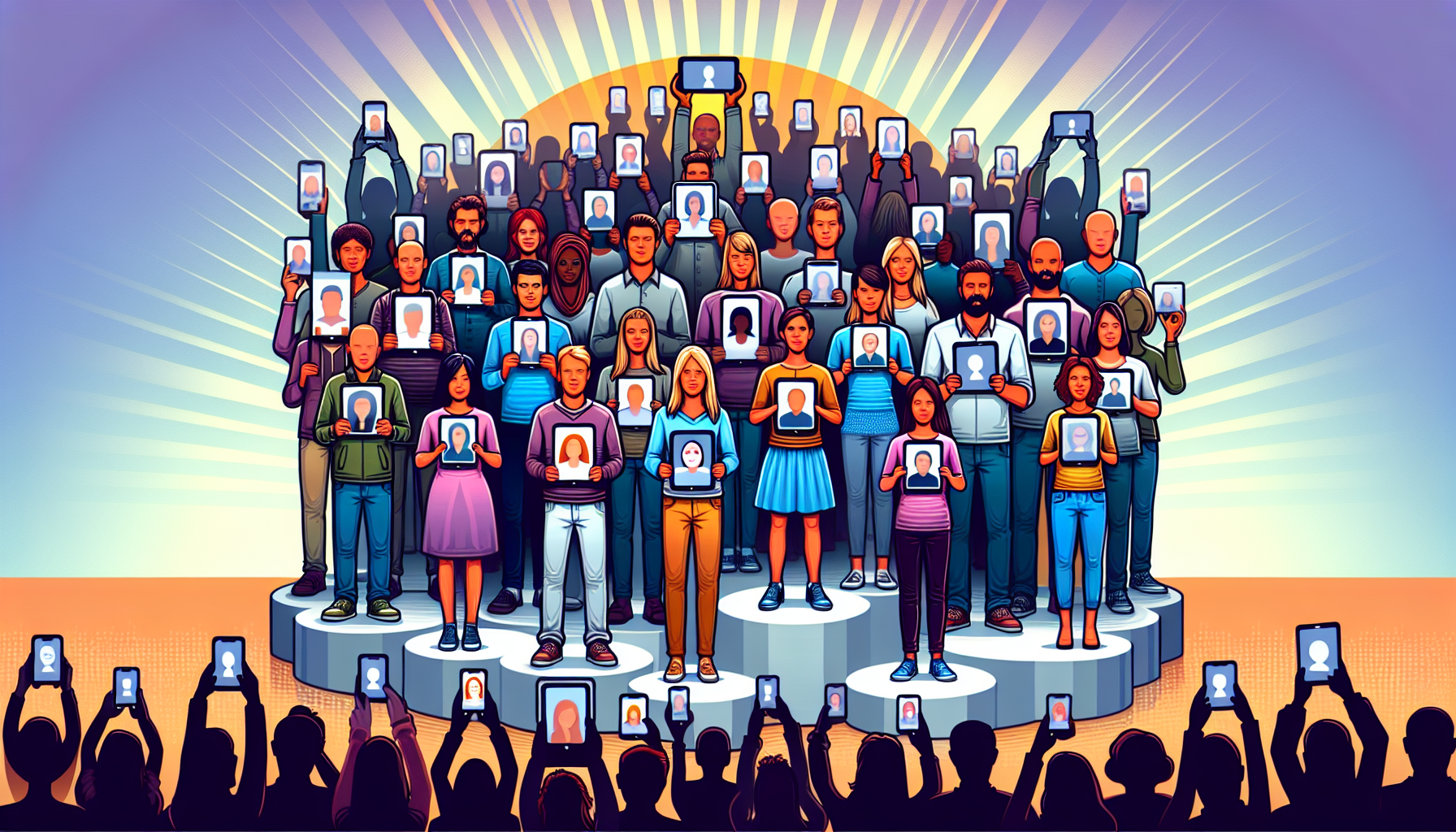
As of 2023, the multiplayer gaming landscape continues to evolve. Games are increasingly integrating artificial intelligence and virtual reality (VR) technologies to enhance player experiences. Titles like VRChat and Rec Room demonstrate the potential of virtual reality as a medium for interactive social experiences, offering players immersive environments for collaboration and gameplay.
Moreover, cross-platform play is becoming a mainstream expectation rather than an exception. Crossplay facilitates interactions between players on different devices, breaking down the barriers between console and PC gaming. Titles like Fortnite and Call of Duty: Warzone have embraced this trend, allowing players to connect regardless of their platform.
Additionally, the introduction of subscription services like Xbox Game Pass and PlayStation Plus has changed how players access games. These services often include online multiplayer components, encouraging players to explore diverse titles without the financial commitment of purchasing individual games.
The rise of progressive web applications (PWAs) and cloud gaming services like NVIDIA GeForce NOW and Google Stadia is expected to redefine accessibility in gaming. By allowing players to engage with high-quality graphics on lower-end devices, these trends accommodate a broader demographic, democratizing access to online multiplayer experiences.
Conclusion
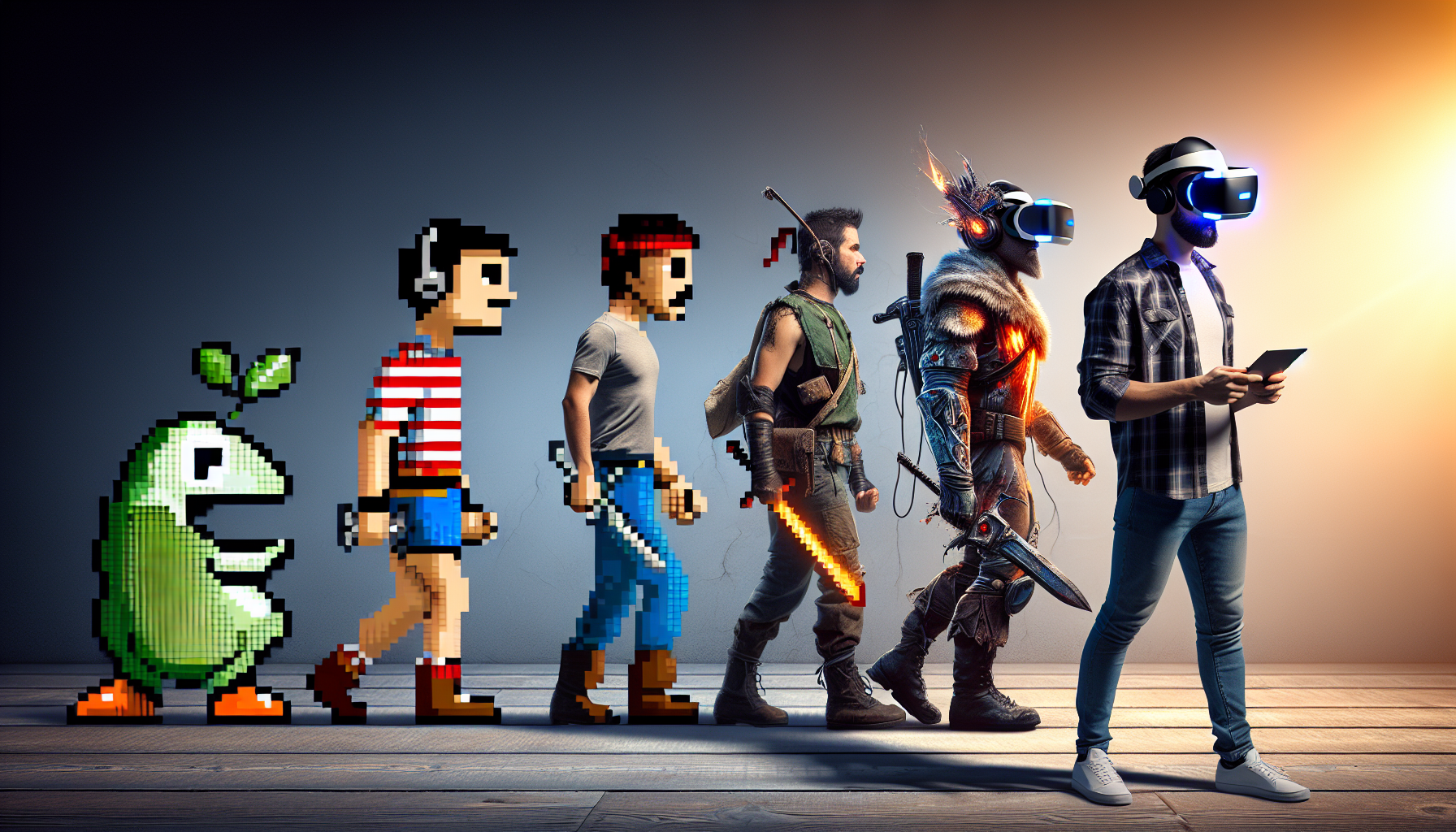
The online multiplayer gaming experience has undergone significant transformations since its early beginnings. From local play in LAN parties to the modern complexities of MMORPGs and competitive games, technological advancements have continually reshaped multiplayer interactions. Gamers today enjoy a rich tapestry of communities, genres, and shared experiences. As the industry continues to innovate and adapt, the future of online multiplayer gaming promises even more exciting developments that engage players in ways previously unimaginable.
advertisement