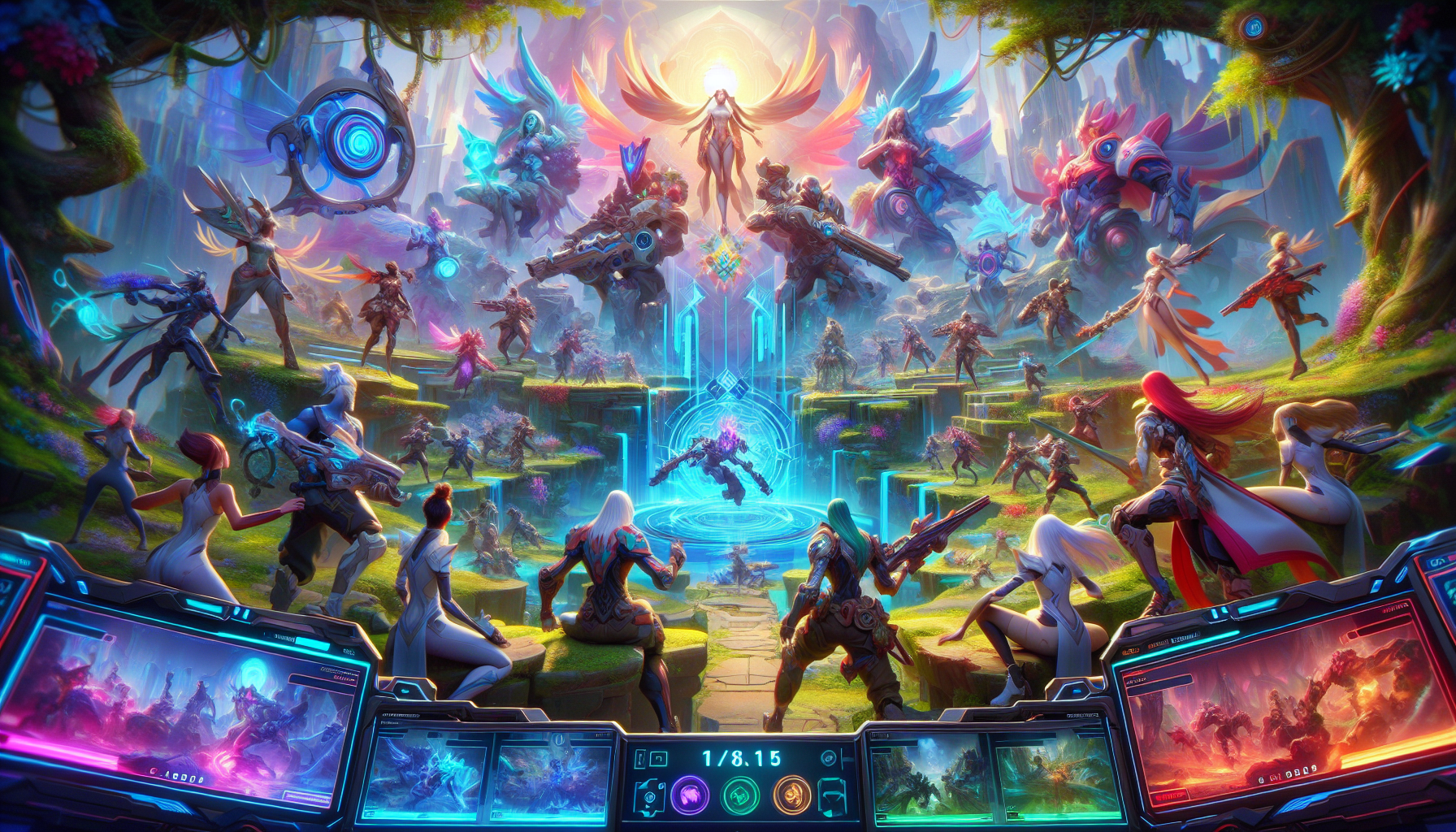
The Rise of Multiplayer Online Battle Arenas: What Makes Them So Popular
1. The Birth of Multiplayer Online Battle Arenas (MOBAs)
The concept of multiplayer online battle arenas (MOBAs) emerged in the early 2000s, building on the real-time strategy genre’s foundations. Inspired by the mod community’s creativity, “Defense of the Ancients” (DotA), a mod for Blizzard’s Warcraft III, became the seminal title paving the way for contemporary MOBAs. Players engaged fiercely in 5v5 matches, where teamwork, strategy, and character skills defined the gameplay experience.
Following DotA’s success, various developers, including Riot Games and Valve, entered the scene, producing popular titles like League of Legends and Dota 2. These games introduced a more refined structure, enhanced visuals, and expanded gameplay mechanics, fundamentally appealing to a broader audience.
2. Accessibility and Engagement
MOBAs are remarkably accessible, attracting gamers of varying skill levels. The premise of short yet intense matches, typically lasting 30-45 minutes, accommodates casual players who may not commit to lengthy gaming sessions. Additionally, most games in the genre are free-to-play, reducing barriers to entry and allowing players to experience the game without initial investment.
Furthermore, MOBAs offer extensive tutorials and practice modes, facilitating new players’ understanding of game mechanics. This reduces the intimidation factor and encourages players to delve into competitive gameplay. The vibrant and colorful art styles also contribute to making these games visually appealing, enhancing player engagement.
3. Strategic Depth and Skill-Based Gameplay
What sets MOBAs apart from other genres is their intricate blend of strategy and skill-based gameplay. Each player selects a unique character, known as a “champion” or “hero,” each with distinct abilities and roles, such as support, tank, or damage dealer. This variety necessitates a sound understanding of champions, their abilities, and their synergies with teammates.
advertisement

Skill mastery is a hallmark of MOBA gameplay. Players must hone their skills, executing precise actions like dodging skill shots, executing last hits, and managing resources. The strategic component extends beyond individual play, encouraging team coordination and communication. Teams must strategize around objectives, including towers, jungle camps, and the ultimate goal of destroying the enemy base.
4. Thriving Competitive Scene and Esports
The competitive landscape surrounding MOBAs has soared, transforming them into a significant part of the esports ecosystem. Major tournaments, such as The International for Dota 2 and the League of Legends World Championship, offer substantial cash prizes and draw millions of viewers globally. These events are celebrated as sporting spectacles, featuring elaborate production efforts, live audiences, and captivating storylines.
The rise of esports has fueled the MOBA community, with viewers becoming invested in professional teams, players, and their journeys. Streaming platforms like Twitch and YouTube Gaming facilitate real-time viewing experiences, allowing fans to engage directly with their favorite players and analysts. This immersive atmosphere contributes significantly to the genre’s popularity.
5. Community and Social Interaction
MOBAs inherently demand teamwork, fostering a sense of community among players. Gamers often form lasting relationships, transcending mere gameplay interactions. In-game voice chat and external platforms like Discord allow for real-time communication, enhancing camaraderie among team members who strategize and learn together.
Social interaction extends to matchmaking, whereby players are grouped based on skill levels—fostering competitive yet friendly atmospheres. Players often share strategies, guides, and gameplay clips across various community forums, from Reddit subgroups to dedicated Discord channels, further solidifying the community aspect of MOBAs.
6. Continuous Development and Updates
Regular updates and seasonal content keep the gameplay fresh and dynamic, ensuring players stay engaged. Developers like Riot Games and Valve maintain active feedback loops with their communities, implementing balance patches, new champions, and seasonal events based on player input.
This commitment to continuous improvement enhances players’ experience, preventing stagnation. Players eagerly anticipate new gameplay mechanics, maps, and features, maintaining excitement about the evolving landscape of their favorite titles. The seasonal events, often tied to holidays or significant in-game lore, introduce limited-time game modes and cosmetic items, encouraging player participation.
7. Cross-Platform Play and Expansion
Many modern MOBAs have embraced cross-platform capabilities, an essential feature catering to a broader audience. Players can enjoy games on various devices while maintaining competitiveness. Titles like League of Legends: Wild Rift allow mobile and console gamers to participate in the MOBA scene, bringing the gameplay experience to a more extensive demographic.
The introduction of mobile versions has especially expanded accessibility to the genre, tapping into regions where traditional gaming setups are less common. This cross-platform expansion has not only increased player counts but also enriched player interactions across diverse platforms.
8. Monetization Strategies
The free-to-play model is a cornerstone of MOBA success. While the base game may be free, developers implement monetization strategies like cosmetic items, battle passes, and character unlocks. This system allows players to engage without detracting from the experience of non-paying users. Cosmetic purchases, such as skins and themes, generate significant revenue without affecting gameplay balance.
Battle passes, seasonal subscriptions that grant access to exclusive rewards, create a sense of urgency and encourage players to engage more frequently. This model sustains developers financially while keeping the game accessible, a balance that many other gaming genres are still striving to achieve.
9. Influence of Streaming and Content Creation
The impact of streaming and content creation on MOOCs is profound. Popular streamers and YouTubers often use MOBAs as a staple in their content, showcasing their gameplay and educating viewers on strategies and tips. This exposure has led to increased interest, particularly among younger audiences who are drawn to personalities and their unique playstyles.
Streaming platforms amplify the appeal of MOBAs, with tournament viewership and content creation becoming vital revenue streams for both developers and individual gamers. The interplay between community-driven content and game development influences gameplay dynamics, with content creators shaping trends and strategies that players might adopt.
10. Future Innovations in MOBAs
The future of MOBAs is promising, marked by technological advancements and evolving gaming platforms. Events like virtual reality gaming and artificial intelligence integration could redefine player experiences. AI-powered matchmaking systems would ensure more balanced games, addressing skill disparities more effectively.
Moreover, evolving storytelling techniques will introduce new narrative-driven elements to the genre, potentially combining traditional gameplay with rich narratives. As new gameplay mechanics emerge and technological boundaries are pushed, the possibilities for innovation and creativity within MOBAs are limitless.
By understanding the factors contributing to the rise of MOBAs, it’s evident that their blend of accessibility, community engagement, strategic depth, and continuous evolution positions them as a cornerstone of modern gaming culture, ensuring their place in the future of interactive entertainment.
advertisement