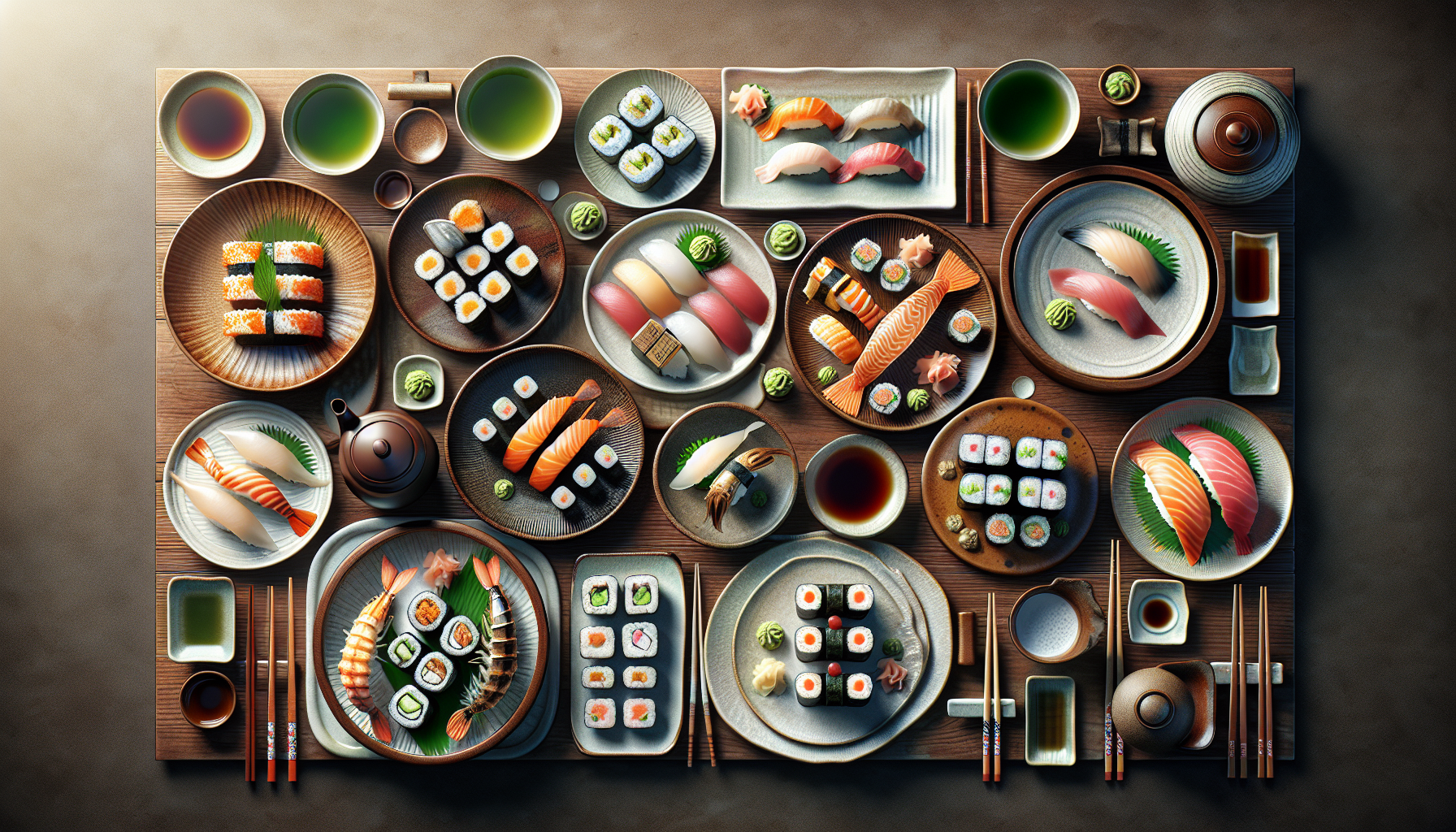
The Art of Sushi: A Deep Dive into Japan’s Culinary Treasure
The Origins of Sushi
Sushi’s history dates back centuries, with its roots tracing to the ancient practice of preserving fish in fermented rice. This method, known as narezushi, was prevalent as early as the 8th century in Southeast Asia. Over time, as culinary practices evolved, so did sushi. By the Edo period (1603-1868), sushi began to transform into the form we recognize today. Techniques such as nigiri (hand-formed sushi) emerged, showcasing fresh seafood atop vinegared rice.
Sushi Types: A Culinary Classification
Sushi is a diverse art form with various styles, each boasting unique characteristics and flavors. The main types include:
-
Nigiri: Hand-formed balls of rice topped with a slice of fish or seafood. Often garnished with wasabi, nigiri represents a harmonious balance between rice and toppings.
-
Maki: Rolled sushi made by placing ingredients on a sheet of seaweed (nori) and rolling it with rice. This category sub-divides into several styles:
- Uramaki: Inside-out rolls with rice on the outside.
- Futomaki: Thick rolls filled with multiple ingredients.
- Hosomaki: Thin rolls, typically containing a single filling.
-
Sashimi: While technically not sushi, sashimi often accompanies sushi meals, consisting of sliced raw fish served without rice. The focus is on the quality and freshness of the fish, stripped down to its raw essence.
-
Temaki: Cone-shaped hand rolls filled with rice and various ingredients. Temaki allows for a more casual dining experience as they are meant to be eaten with hands.
-
Chirashi: A scattered sushi bowl featuring a variety of toppings over a bed of vinegared rice, chirashi is both a colorful and flavorful representation of sushi’s diversity.
Ingredients: The Soul of Sushi
The quality of sushi lies significantly in the ingredients used. Each component contributes to the overall experience:
-
Rice: Short-grain Japanese rice, also known as shari or sushi-meshi, is the foundation of sushi. It is typically seasoned with a mixture of vinegar, sugar, and salt, creating a subtly tangy flavor. Achieving the right stickiness and temperature is crucial for constructing perfect nigiri and rolls.
-
Seafood: Freshness is key when selecting fish for sushi. Common choices include salmon (sake), tuna (maguro), eel (unagi), and yellowtail (hamachi). Chefs often emphasize seasonal picks from local waters to ensure peak flavors.
-
Vegetables: Sushi showcases various vegetables, such as cucumber, avocado, and pickled daikon, adding crunch and freshness. These ingredients enhance flavor complexity while appealing to a broader audience, including vegetarians.
-
Condiments: Traditional accompaniments like soy sauce, wasabi, and pickled ginger (gari) enhance the flavors without overshadowing the primary ingredients. Wasabi adds a kick, while ginger serves as a palate cleanser between the different types of sushi.
The Sushi-Making Process
Creating sushi is a meticulous process that requires both skill and art. Here’s a step-by-step breakdown:
-
Washing and Cooking Rice: The rice must be rinsed multiple times to remove excess starch before cooking. The ideal rice-to-water ratio is essential for achieving the perfect texture.
-
Seasoning: After cooking and while still warm, the rice is combined with vinegar, sugar, and salt using a wooden spatula. Proper folding techniques ensure that each grain remains intact.
-
Selecting Fish & Preparing Fillings: Quality freshness is paramount. Fish must be carefully filleted and sliced into thin, precise pieces to ensure even texture and flavor in each bite.
-
Forming Nigiri: Chefs shape rice balls with their hands, ensuring they are compact yet easily biteable. A small dab of wasabi is traditionally placed between the rice and the fish.
-
Rolling Maki: Using a bamboo mat, fillings are placed on a sheet of nori, followed by a layer of rice. The mat is rolled tightly to create even pressure, resulting in neatly formed sushi rolls.
-
Plating & Presentation: Aesthetics play a significant role in sushi. Attention to colors, arrangements, and garnishes not only enhance the visual appeal but also entice the appetite.
Sushi Etiquette: Diners’ Guide
Understanding the etiquette surrounding sushi dining enhances the overall experience:
advertisement

-
Chopsticks vs. Hands: While it’s perfectly acceptable to use chopsticks, sushi can also be eaten with hands, especially nigiri, which allows for a more authentic experience.
-
Soy Sauce Dipping: When dipping nigiri in soy sauce, place the fish side down, avoiding getting rice too soggy. This reflects respect for the chef’s work and preserves the rice texture.
-
Ginger & Wasabi: Ginger is typically served as a palate cleanser between different types, while wasabi should be applied directly on the sushi rather than mixed into soy sauce.
The Role of Sushi Chefs: The Itamae
In Japanese culture, sushi chefs, known as itamae, undergo years of rigorous training to master their craft. Apprenticeships can last from 5 to 10 years, wherein aspiring chefs learn every aspect from rice preparation to fish selection and presentation.
Itamae not only possess technical skills but also develop a deep understanding of sushi’s artistic expression. They curate menus that reflect seasonal ingredients and their personal style, showcasing creativity while respecting tradition. A genuine connection with the ingredients, the seasonal nuances, and local sourcing create a bond that transcend transactions, turning sushi-making into a culinary performance.
The Global Impact of Sushi
Sushi has transcended its Japanese roots, becoming a global phenomenon. Cities around the world boast sushi bars and fusion restaurants that incorporate different culinary influences. Sushi’s adaptability and the rise of fusion cuisine have led to innovative variations such as:
-
California Roll: An inside-out roll filled with crab, avocado, and cucumber, exemplifying a Western twist that has become a staple in many sushi restaurants.
-
Sushi Burrito: A large, handheld version combining sushi ingredients into a burrito format, reflecting the influence of casual dining trends.
-
Vegan Sushi Options: With rising interest in plant-based diets, many chefs have begun crafting sushi featuring vegetables, fruits, and alternative proteins that maintain the integrity of sushi while catering to diverse diets.
Sushi in Modern Culture
Sushi is not merely food; it is an art form and a cultural symbol embodying Japan’s culinary heritage. The presentation of sushi reflects the seasons, traditions, and innovations. Sushi’s aesthetic appeal and unique flavors have influenced visual arts, fashion, and popular culture globally.
Sushi festivals celebrate not only the cuisine but also the craftsmanship behind it, with chefs demonstrating their skills and creativity. Additionally, sushi courses and workshops have gained popularity, inviting enthusiasts to explore the intricacies of sushi-making.
The Health Aspects of Sushi
Sushi presents a balanced dietary option when prepared with fresh ingredients. The combination of fish offers a rich source of omega-3 fatty acids, beneficial for heart health, while the vegetables add essential vitamins and minerals. However, consumers should be mindful of portions and pairing choices, as excess soy sauce or fried items can diminish the health benefits.
The Future of Sushi
The global love and appreciation for sushi continue to evolve, adapting to contemporary tastes while staying rooted in Japanese tradition. As sustainability becomes a pressing concern, many sushi chefs are committed to ethical sourcing practices to protect ocean ecosystems while delivering unparalleled flavors.
Innovative culinary techniques and technological advancements will further embrace the art of sushi, inviting more people to experience this enthralling fusion of tradition and artistry.
The art of sushi reflects a journey of flavors, each bite capturing a piece of Japan’s cultural and culinary legacy. As we explore this culinary treasure, we celebrate its rich history, diverse forms, and bright future ahead.
advertisement